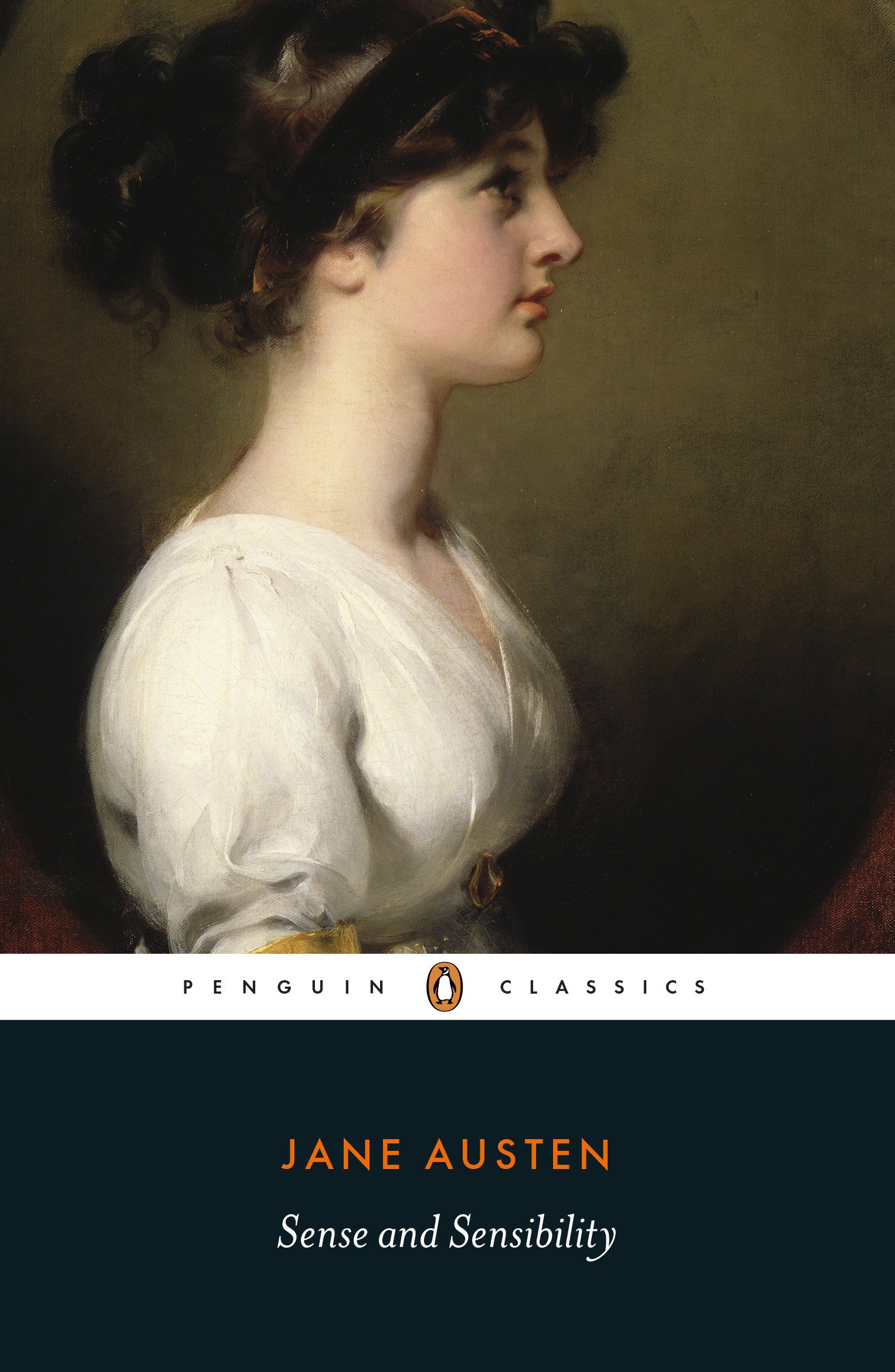
Sense and Sensibility: Chapters 11–20
In this comedy of manners — Jane Austen's first — Elinor and Marianne Dashwood struggle to make their way in the world after their father's death leaves them impoverished. Read the full text here.
Here are links to our lists for the novel: Chapters 1–10, Chapters 11–20, Chapters 21–30, Chapters 31–40, Chapters 41–50
Here are links to our lists for other works by Jane Austen: Emma, Pride and Prejudice, Northanger Abbey, Persuasion, Mansfield Park
15 words
169 learners
Learn words with Flashcards and other activities
Definition First

Other learning activities
Full list of words from this list:
-
propriety
correct behaviorElinor could not be surprised at their attachment. She only wished that it were less openly shewn, and once or twice did venture to suggest the propriety of some self-command to Marianne.The contrasting natures of the two sisters are further emphasized when Elinor doubted "the propriety of her receiving such a present from a man so little, or at least so lately known to her" but
Marianne declared, "I should hold myself guilty of greater impropriety in accepting a horse from my brother than from Willoughby." -
minutia
a small or minor detail"Upon my word, I am not acquainted with the minutiae of her principles. I only know that I never yet heard her admit any instance of a second attachment's being pardonable."
-
imprudence
a lack of caution in practical affairsAs Elinor and Marianne were walking together the next morning the latter communicated a piece of news to her sister, which in spite of all that she knew before of Marianne's imprudence and want of thought, surprised her by its extravagant testimony of both.
-
raillery
light teasingMost grateful did Elinor feel to Lady Middleton for observing, at this moment, "that it rained very hard," though she believed the interruption to proceed less from any attention to her, than from her ladyship's great dislike of all such inelegant subjects of raillery as delighted her husband and mother.
-
affectation
a deliberate pretense or exaggerated displayWilloughby's behaviour in taking leave of them, his embarrassment, and affectation of cheerfulness, and, above all, his unwillingness to accept her mother's invitation, a backwardness so unlike a lover — so unlike himself, greatly disturbed her.
-
avowal
a statement asserting the truth of somethingIn such a case, a plain and open avowal of his difficulties would have been more to his honour, I think, as well as more consistent with his general character;
-
effusion
an unrestrained expression of emotionSuch violence of affliction indeed could not be supported for ever; it sunk within a few days into a calmer melancholy; but these employments, to which she daily recurred, her solitary walks and silent meditations, still produced occasional effusions of sorrow as lively as ever.
-
discourse
extended verbal expression in speech or writingElinor took no notice of this, and directing her attention to their visitor, endeavoured to support something like discourse with him by talking of their present residence, its conveniences, etc., extorting from him occasional questions and remarks.
-
maxim
a saying that is widely accepted on its own merits"Perhaps, then, you would bestow it as a reward on that person who wrote the ablest defence of your favorite maxim, that no one can ever be in love more than once in their life — for your opinion on that point is unchanged, I presume?"
-
fastidious
giving careful attention to detailHe is fastidious and will have an affectation of his own."
-
hackneyed
repeated too often; overfamiliar through overuseI detest jargon of every kind, and sometimes I have kept my feelings to myself, because I could find no language to describe them in but what was worn and hackneyed out of all sense and meaning."
-
abstruse
difficult to understandBut I had no inclination for the law, even in this less abstruse study of it, which my family approved.
-
approbation
official recognition or commendationWithout shutting herself up from her family, or leaving the house in determined solitude to avoid them, or lying awake the whole night to indulge meditation, Elinor found every day afforded her leisure enough to think of Edward, and of Edward's behaviour, in every possible variety which the different state of her spirits at different times could produce; — with tenderness, pity, approbation, censure, and doubt."Approbation" is a direct antonym of "censure" ("harsh criticism or disapproval"); "tenderness" and "pity" can be synonymous in their connections to sympathy and concern, but the sadness and superiority often accompanying pity would not be desirable in a lovingly tender relationship. Ending this list of nouns with "doubt" emphasizes Elinor's confused feelings about Edward and his absence.
-
insolence
the trait of being rude and impertinentThe studied indifference, insolence, and discontent of her husband gave her no pain; and when he scolded or abused her, she was highly diverted.To be highly diverted ("pleasantly entertained or occupied") when her husband is scolding, abusive, insolent, indifferent, or discontented can show a good-natured wife's determination to be happy. To Elinor, it also proves that Charlotte is a silly woman.
-
resolutely
with firmnessThey both eagerly and resolutely declined her invitation.
Created on Thu Aug 29 10:29:30 EDT 2013
(updated Mon Aug 04 19:21:40 EDT 2025)
Sign up now (it’s free!)
Whether you’re a teacher or a learner,
Vocabulary.com can put you or your class
on the path to systematic vocabulary improvement.