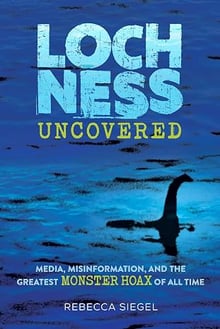
Loch Ness Uncovered: Chapters 7–9
In Scotland in the 1930s, a soon-to-be worldwide phenomenon began — the Loch Ness Monster! The history of this now-debunked hoax is filled with intriguing characters, sensational anecdotes, and most importantly, a real-life lesson in the dangers of fake news.
Here are links to our lists for the book: Chapters 1–6, Chapters 7–9, Chapters 10–13, Chapters 14–16, Chapters 17–22
15 words
3 learners
Learn words with Flashcards and other activities
Definition First

Other learning activities
Full list of words from this list:
-
elite
a group or class of persons enjoying superior statusCollins managed to hold it together long enough to issue a stiff response: No. No, he would not be calling upon England’s elite flyers to help deal with a monster.
-
din
a loud, harsh, or strident noiseThen, another politician spoke over the din. He asked, “Would not the Scottish Office find its time better occupied in trying to capture the monster of unemployment in Scotland?” The laughter fizzled. It was a good question.
Money and jobs were scarce throughout the UK. -
meager
deficient in amount or quality or extentFolks who couldn’t scrounge up enough work to feed themselves or pay rent turned to the “dole,” which was government relief in the form of meager payments that just barely covered the cost of living.
-
frugal
avoiding wasteLiving through such a hard time taught many Scots to be frugal and always watch for opportunities to make money.
-
unprecedented
novel; having no earlier occurrenceWhen Mills read newspaper tales of a giant and mysterious beast in Loch Ness, he knew he had to have it for his show. The crowd appeal would be unprecedented!
-
Komodo dragon
the largest lizard in the worldKomodo dragons are every inch the fearsome monster van Hensbroek had been told they were.
-
beg the question
elicit or call to mind an obvious, unanswered queryLearning about Komodo dragons was a shock. It also begged the question: if dragons walked the earth, what other mythical creatures might turn out to be real?
-
mottled
having spots or patches of colorOn January 14, 1933, just months before the excitement began at Loch Ness, a group of pedestrians on a beach in Scarborough, a seaside town in North Yorkshire, England, uncovered a mystery of their own. Something terrible lay on the sand. Its slick skin was blotchy and mottled. Long, snaky ropes trailed limply from its body.
-
cephalopod
a marine animal with a head and tentaclesA local naturalist heard news of the commotion and hustled to the waterfront to behold their treasure. He marveled at the sight. It was, he decided, the largest cephalopod ever to have washed ashore in England: a giant squid.
-
exploit
a notable achievementBeebe and Barton’s trips under the sea captivated armchair scientists everywhere. Their exploits were so daring, so exciting, that they were reported in newspapers around the world.
-
zoological
of or relating to animals or animal groupsThe majority of zoological advances occurred with far less fanfare.
-
amok
wildly; without self-controlThe Loch Ness Monster was no less believable than a bunch of lethal dragons running amok in Indonesia, or a giant, angry beast attacking Norwegian naval ships.
-
charisma
personal attractiveness that enables you to influence othersIn November 1933, that question was answered when a celebrity named Lieutenant Commander Rupert Gould arrived in Loch Ness. Every inch of Gould’s six-foot, four-inch frame oozed charisma.
-
trajectory
the path followed by an object moving through spaceOver the course of his career, he authored books covering everything from Oddities to Enigmas. With this career trajectory, it made perfect sense that he’d wind up at Loch Ness. After all, what was odder or more enigmatic than a Scottish sea serpent?
-
flotsam
the floating wreckage of a shipVon Forstner’s submarine had just torpedoed a British steamer called the Iberian. As the British ship sank under the sea, her boilers exploded. This sent pieces of wreckage rocketing upward. Von Forstner and five crew members watched the mayhem, probably quite enjoying their wartime victory. But then, in the middle of the flotsam, he said a “gigantic sea monster was hurled, writhing and struggling, twenty or thirty yards into the air.”
Created on Thu Aug 27 19:08:03 EDT 2026
(updated Tue Sep 15 11:30:43 EDT 2026)
Sign up now (it’s free!)
Whether you’re a teacher or a learner,
Vocabulary.com can put you or your class
on the path to systematic vocabulary improvement.