seismology
If you're fascinated by earthquakes and the science behind them, you might want to study seismology. This branch of geology includes learning about tectonic plates, volcanoes, and earthquake prediction.
The noun seismology comes from the Greek word for "earthquake," seismos, which stems from seiein, "to shake, agitate, or shiver." The suffix -logy is used to mean "the study of." Someone who's an expert in seismology is called a seismologist, and they study the seismic waves sent by earthquakes and the effects of earthquakes (like tsunamis), as well as the causes.
-
the branch of geology that studies earthquakestype of:geophysical science, geophysicsthe science that studies how energy and matter interact in the earth's surface, interior, and surrounding space
- MLA
- APA
- Chicago
Vocabulary lists containing seismology
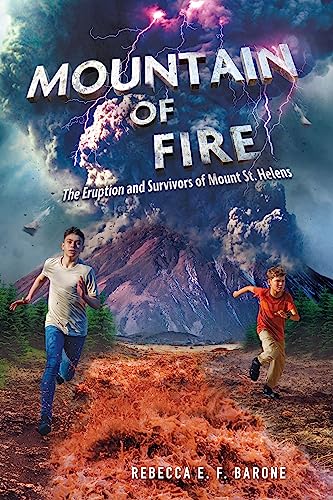
The historic account of Mount St. Helens’ violent volcanic eruption in 1980 is filled with real-life stories of survivors, heroes, and a devastation of nature almost beyond belief. It all started at 8:32 a.m., Sunday, May 18, 1980. Here are links to our lists for the book: Prologue–Chapter 14, Chapters 15–27, Chapters 28–37, Chapter 38–Epilogue

In the first installment of this popular series, master criminal Artemis Fowl kidnaps a fairy and holds her for ransom.

Stories about galloping sea creatures, a green river, and defective ice cream machines all contributed words to this list of vocabulary from the week's news.