Definitions of os
-
a mouth or mouthlike opening
-
rigid connective tissue that makes up the skeleton of vertebratessynonyms: bonetypes:furculaa forked bone formed by the fusion of the clavicles of most birdssplint bonea rudimentary metacarpal or metatarsal bone on either side of the cannon bone in the leg of a horse or related animalcannon bonegreatly developed metatarsal or metacarpal bone in the shank or cannon part of the leg in hoofed mammalsfishbonea bone of a fishanklebone, astragal, astragalus, talusthe bone in the ankle that articulates with the leg bones to form the ankle jointbare bonebone stripped of fleshcuboid bonethe cube shaped bone on the outer side of the tarsuscartilage boneany bone that develops within cartilage rather than a fibrous tissuecentrumthe main body of a vertebracheekbone, jugal bone, malar, malar bone, os zygomaticum, zygomatic, zygomatic bonethe arch of bone beneath the eye that forms the prominence of the cheekethmoid, ethmoid boneone of the eight bones of the cranium; a small bone filled with air spaces that forms part of the eye sockets and the nasal cavityhipbone, innominate bonelarge flaring bone forming one half of the pelvis; made up of the ilium and ischium and pubishyoid, hyoid bone, os hyoideuma U-shaped bone at the base of the tongue that supports the tongue musclesiliumthe upper and widest of the three bones making up the hipboneramusthe posterior part of the mandible that is more or less verticalmembrane boneany bone that develops within membranous tissue without previous cartilage formation; e.g. the clavicle and bones of the skullmetatarsalany bone of the foot between the ankle and the toesos palatinum, palatine, palatine boneeither of two irregularly shaped bones that form the back of the hard palate and helps to form the nasal cavity and the floor of the orbitsphalanxany of the bones of the fingers or toesos pubis, pubic bone, pubisone of the three sections of the hipbone; together these two bones form the front of the pelviscosta, ribany of the 12 pairs of curved arches of bone extending from the spine to or toward the sternum in humans (and similar bones in most vertebrates)round bonebones that are round in shapesacrumwedge-shaped bone consisting of five fused vertebrae forming the posterior part of the pelvis; its base connects with the lowest lumbar vertebra and its tip with the coccyxscapula, shoulder blade, shoulder boneeither of two flat triangular bones one on each side of the shoulder in human beingsos sesamoideum, sesamoid, sesamoid boneany of several small round bones formed in a tendon where it passes over a jointbreastbone, sternumthe flat bone that articulates with the clavicles and the first seven pairs of ribsmanubriumthe upper part of the breastbonexiphisternum, xiphoid processsmallest of the three parts of the breastbone; articulates with the corpus sternum and the seventh ribos temporale, temporal bonea thick bone forming the side of the human cranium and encasing the inner eartoothhard bonelike structures in the jaws of vertebrates; used for biting and chewing or for attack and defenseturbinal, turbinate, turbinate boneany of the scrolled spongy bones of the nasal passages in man and other vertebratestympanic bonethe bone enclosing the middle earvertebraone of the bony segments of the spinal columnarcus zygomaticus, zygoma, zygomatic archthe slender arch formed by the temporal process of the cheekbone that bridges to the zygomatic process of the temporal bonemodiolusthe central conical bony pillar of the cochlealacrimal bonesmall fragile bone making up part of the front inner walls of each eye socket and providing room for the passage of the lacrimal ductsskullthe bony skeleton of the head of vertebratesocciputback part of the head or skullsinciputthe front part of the head or skull (including the forehead)jawthe part of the skull of a vertebrate that frames the mouth and holds the teethvomerthin trapezoidal bone of the skull forming the posterior and inferior parts of the nasal septummarrowbonea bone containing edible marrow; used especially in flavoring soupfanghollow or grooved tooth of a venomous snake; used to inject its poisontuska long pointed tooth specialized for fighting or digging; especially in an elephant or walrus or hogconodontthe tiny fossil cone-shaped tooth of a primitive vertebrate of order Conodontanasal conchaone of several turbinate bones in the nasal cavitycuneiform bone, os triquetrum, pyramidal bone, triquetral, triquetral bonea wrist bone that articulates with the pisiform and hamate and lunate bonesos trapezium, trapezium, trapezium bonethe wrist bone on the thumb side of the hand that articulates with the 1st and 2nd metacarpalsos trapezoideum, trapezoid, trapezoid bonethe wrist bone between the trapezium and the capitate bonescapitate, capitate bone, os capitatumthe wrist bone with a rounded head shape that articulates with the 3rd metacarpusjawbone, jowl, lower jaw, lower jawbone, mandible, mandibula, mandibular bone, submaxillathe jaw in vertebrates that is hinged to open the mouthauditory ossicleossicles of the middle ear that transmit acoustic vibrations from the eardrum to the inner earkneecap, kneepan, patellaa small flat triangular bone in front of the knee that protects the knee jointcarnassial tooththe last upper premolar and first lower molar teeth of a carnivore; having sharp edges for cutting fleshmalposed tootha tooth that has grown in a faulty positionadult tooth, permanent toothany of the 32 teeth that replace the deciduous teeth of early childhood and (with luck) can last until old agebaby tooth, deciduous tooth, milk tooth, primary toothone of the first temporary teeth of a young mammal (one of 20 in children)canine, canine tooth, cuspid, dogtooth, eye tooth, eyetoothone of the four pointed conical teeth (two in each jaw) located between the incisors and the premolarsincisora tooth for cutting or gnawing; located in the front of the mouth in both jawsforehead, frontal bone, os frontalethe large cranial bone forming the front part of the cranium: includes the upper part of the orbitsparietal boneeither of two skull bones between the frontal and occipital bones and forming the top and sides of the craniumoccipital bonea saucer-shaped membrane bone that forms the back of the skullchopa jawdorsal vertebra, thoracic vertebraone of 12 vertebrae in the human vertebral column; thoracic vertebrae extend from the seventh cervical vertebra down to the first lumbar vertebralumbar vertebraone of 5 vertebrae in the human vertebral column; lumbar vertebrae extend from the twelfth thoracic vertebra down to the sacral vertebraesacral vertebraone of 5 vertebrae in the human spine that fuse in the adult to form the sacrumtrue ribone of the first seven ribs in a human being which attach to the sternumepiphysisthe end of a long bone; initially separated from the main bone by a layer of cartilage that eventually ossifies so the parts become fusedarm bonea bone in the armleg bonea bone of the legtype of:connective tissuetissue of mesodermal origin consisting of e.g. collagen fibroblasts and fatty cells; supports organs and fills spaces between them and forms tendons and ligaments
Cite this entry
Style:
MLA
- MLA
- APA
- Chicago
DISCLAIMER: These example sentences appear in various news sources and books to reflect the usage of the word ‘os'.
Views expressed in the examples do not represent the opinion of Vocabulary.com or its editors.
Send us feedback
Word Family
Vocabulary lists containing os
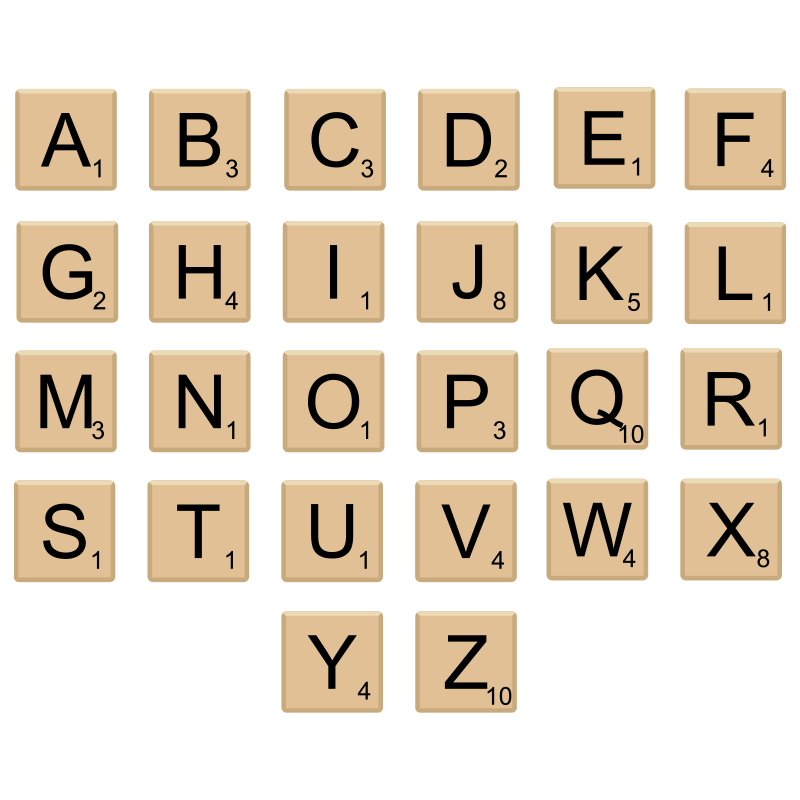
Scrabble: Two-Letter Words
Near the end of a Scrabble game, two-letter words reign supreme. Eke out a victory with this list of two-letter words. Check out our other lists in the collection: High Scoring Words Two-Letter Words Four-Letter Words with 3 Vowels Words with 5 Vowels Words with no Vowels Words that Start with Q Words with Q without U Words that Start with X Palindromes