fiber
Other forms: fibers
Almost all fabrics, muscle structures, and even vegetables are composed of some sort of fiber, the noun meaning a long, thread-like substance.
The word fiber is sometimes associated with moral character in a similar way that it is related to the physical material. The moral fiber of a person might be the thing that weaves together their character to make them the ethical (or unethical) person they are. For example, you might guess that the televangelist who asks for money from the elderly poor, but has a fancy sports car for every day of the week lacks moral fiber.
-
a slender and greatly elongated substance capable of being spun into yarnsynonyms: fibretypes:bristlea stiff fiber (coarse hair or filament); natural or syntheticglass fiber, glass fibre, optical fiber, optical fibrea very thin fiber made of glass that functions as a waveguide for light; used in bundles to transmit imagesspindle(biology) tiny fibers that are seen in cell division; the fibers radiate from two poles and meet at the equator in the middleloofa, loofah, loufah sponge, luffathe dried fibrous part of the fruit of a plant of the genus Luffa; used as a washing sponge or strainerCebu maguey, cantala, manila magueyhard fiber used in making coarse twine; from Philippine agave plantsbassinecoarse leaf fiber from palmyra palms used in making brushes and broomscoirstiff coarse fiber from the outer husk of a coconutraffiafiber of a raffia palm used as light cordage and in making hats and basketsstringa tough piece of fiber in vegetables, meat, or other food (especially the tough fibers connecting the two halves of a bean pod)lintfine ravellings of cotton or linen fibersoakumloose hemp or jute fiber obtained by unravelling old ropes; when impregnated with tar it was used to caulk seams and pack joints in wooden shipsbarbone of the parallel filaments projecting from the main shaft of a featherchromatidone of two identical strands into which a chromosome splits during mitosismyofibril, myofibrilla, sarcostyleone of many contractile filaments that make up a striated muscle fibereffectora nerve fiber that terminates on a muscle or gland and stimulates contraction or secretiondendriteshort fiber that conducts impulses toward the cell body of the neuronpandanusfiber from leaves of the pandanus tree; used for woven articles (such as mats)New Zealand cottona fiber from the bast of New Zealand ribbon trees that resembles cotton fiberbowstring hempstrong fiber that resembles hemp; obtained from sansevieria and used for e.g. cordagerhizoidany of various slender filaments that function as roots in mosses and ferns and fungi etchyphaany of the threadlike filaments forming the mycelium of a fungusparaphysisa sterile simple or branched filament or hair borne among sporangia; may be pointed or clubbednylona thermoplastic polyamide; a family of strong resilient synthetic fibersstaple, staple fiber, staple fibrea natural fiber (raw cotton, wool, hemp, flax) that can be twisted to form yarn
-
a leatherlike material made by compressing layers of paper or cloth
-
any of several elongated, threadlike cells (especially a muscle fiber or a nerve fiber)synonyms: fibretypes:muscle cell, muscle fiber, muscle fibrean elongated contractile cell that forms the muscles of the bodysmooth muscle cellcells of the smooth muscleseffectora nerve fiber that terminates on a muscle or gland and stimulates contraction or secretiondendriteshort fiber that conducts impulses toward the cell body of the neurontype of:cell(biology) the basic structural and functional unit of all organisms; they may exist as independent units of life (as in monads) or may form colonies or tissues as in higher plants and animals
-
the inherent complex of attributes that determines a persons moral and ethical actions and reactions
-
coarse, indigestible plant food low in nutrients; its bulk stimulates intestinal peristalsistypes:branfood prepared from the husks of cereal grainstype of:
- MLA
- APA
- Chicago
Vocabulary lists containing fiber

In January of 1941, President Franklin D. Roosevelt outlined the basic freedoms that, in his view, America represented. Almost a year before the attack on Pearl Harbor, FDR warned of the dangers from dictatorships and of the need for America to prepare to defend itself.

If you need some food for thought, review this list of terms related to nutrition and diet. Whether you're interested in learning about carbohydrates, vitamins, or digestion, this list is full of words to whet your appetite.
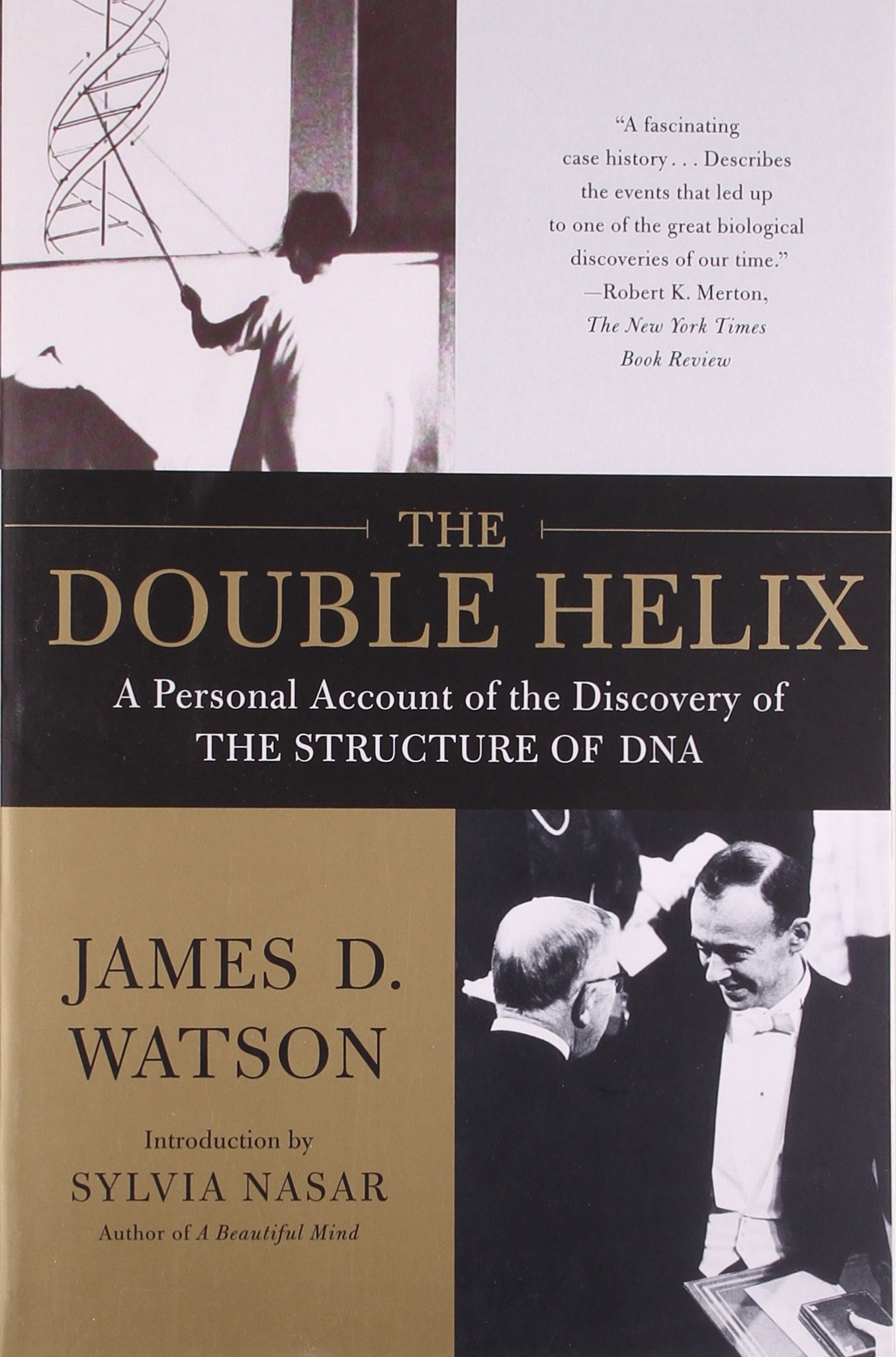
Francis Crick and James Watson changed the world forever—and won a Nobel Prize—when they uncovered the structure of DNA. In this memoir, Watson reveals the story behind their discovery.