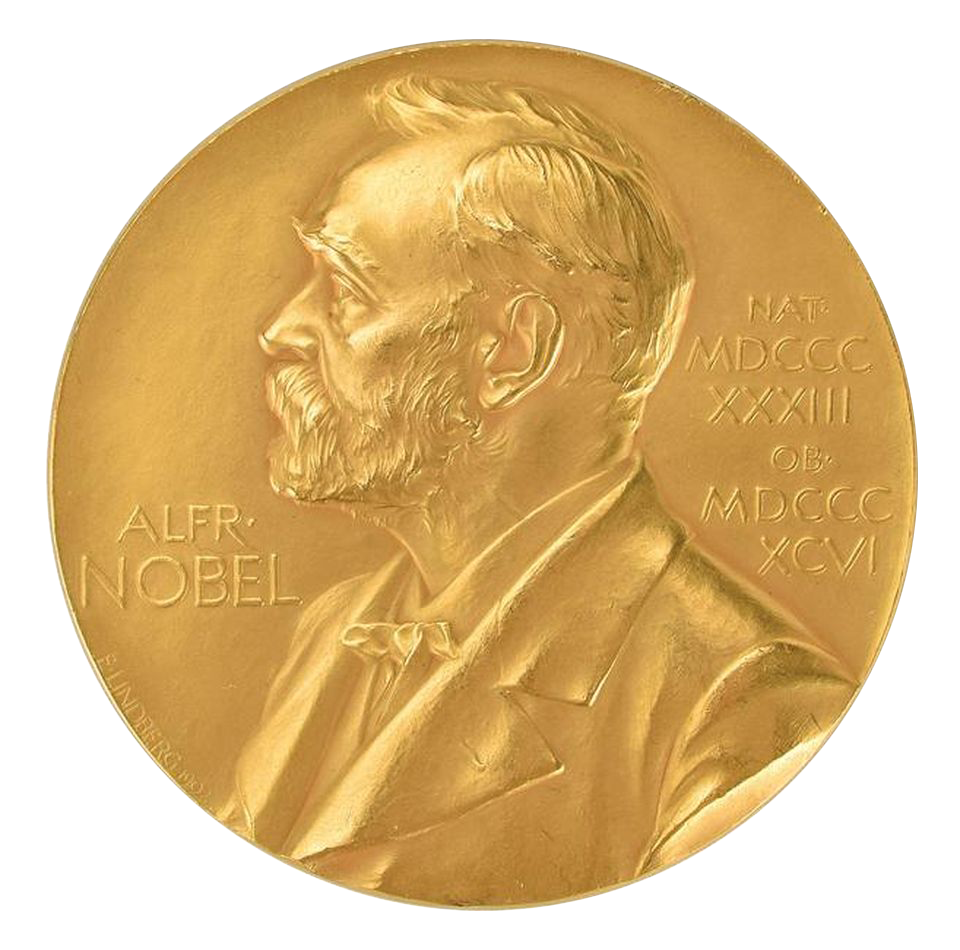
Nobel Prize Day: Svetlana Alexievich wins the Nobel Prize for Literature
Svetlana Alexievich, from Belarus, was awarded the Nobel Prize for Literature on October 8, 2015. Alexievich, a journalist, specializes in compiling oral histories of major events in Russian history, including the female experience in World War II, the war with Afghanistan, and the nuclear disaster at Chernobyl. The latter collection of interviews is the source of the vivid quotes below. Alexievich draws out details from her interview subjects that were kept hidden from the world at the time of the disaster and also gives her subjects room to express the emotional impact of the tragedy.
11 words
770 learners
Learn words with Flashcards and other activities
Definition First

Other learning activities
Full list of words from this list:
-
indignant
angered at something unjust or wrongIf anyone got indignant and wanted to take the coffin back home, they were told that the dead were now heroes, you see, and that they no longer belonged to their families. They were heroes of the State. They belonged to the State.
— Voices from Chernobyl -
pauper
a person who is very poorWe're paupers, we survive on what people give us. And the government behaves like a money lender, it's forgotten these people. When he dies, they'll name a street after him, or a school, or a military unit, but that's only after he dies.
— Voices from Chernobyl -
exploited
taken advantage ofHe walked through the Zone and marked the points of maximum radiation — they exploited him in the fullest sense of the term, like he was a robot. And he understood this, but he went, he walked from the reactor itself and then out through all the sectors around the radius of radioactivity.
— Voices from Chernobyl -
periphery
the outside boundary or surface of somethingThey had lead vests, but the radiation was coming from below, and they weren't protected there. They were wearing ordinary cheap imitation-leather boots. They spent about a minute and a half, two minutes on the roof each day, and then they were discharged, given a certificate and an award — one hundred rubles. And then they disappeared to the vast peripheries of our motherland.
— Voices from Chernobyl -
dacha
Russian country houseSo here was the task: who would dive in there and open the bolt on the safety valve? They promised them a car, an apartment, a dacha, aid for their families until the end of time. They searched for volunteers. And they found them! The boys dove, many times, and they opened that bolt, and the unit was given 7000 rubles. They forgot about the cars and apartments they promised — but that's not why they dove! Not for the material, least of all for the material promises.
—Voices from Chernobyl -
bureaucracy
a government administered primarily by nonelective officials. There are some Chernobyl photo albums now, but how many video and photo cameras were broken! People were dragged through the bureaucracy. It required a lot of courage to tell the truth about Chernobyl. It still does. Believe me! But you need to see this footage: the blackened faces of the firemen, like graphite. And their eyes? These are the eyes of people who already know that they're leaving us.
— Voices from Chernobyl -
conscientious
characterized by extreme care and great effortOn television Gorbachev was calming people: "We've taken immediate measures." I believed it. I'd worked as an engineer for twenty years, I was well-acquainted with the laws of physics. I knew that everything living should leave that place, if only for a while. But we conscientiously took our measurements and watched the television. We were used to believing.
— Voices from Chernobyl -
murmur
speak softly or indistinctlySo here's the answer to your question: why did we keep silent knowing what we knew? Why didn't we go out onto the square and yell the truth? We compiled our reports, we put together explanatory notes. But we kept quiet and carried out our orders without a murmur because of Party discipline. I was a Communist.
— Voices from Chernobyl -
cordon
a series of sentinels or posts enclosing some place or thingWe have the same fate. Anywhere else, we're foreign, we're lepers. Everyone is used to the words, "Chernobylites," "Chernobyl children," "Chernobyl refugees." But you don't know anything about us. You're afraid of us. You probably wouldn't let us out of here if you had your way, you'd put up a police cordon, that would calm you down.
— Voices from Chernobyl -
landscape
an expanse of scenery that can be seen in a single viewWe're afraid for our children, and for our grandchildren, who don't exist yet. They don't exist, and we're already afraid. People smile less, they sing less at holidays. The landscape changes, because instead of fields the forest rises up again, but the national character changes too. Everyone's depressed. It's a feeling of doom. Chernobyl is a metaphor, a symbol. And it's changed our everyday life, and our thinking.
— Voices from Chernobyl -
metaphor
a figure of speech that suggests a non-literal similarityWe're afraid for our children, and for our grandchildren, who don't exist yet. They don't exist, and we're already afraid. People smile less, they sing less at holidays. The landscape changes, because instead of fields the forest rises up again, but the national character changes too. Everyone's depressed. It's a feeling of doom. Chernobyl is a metaphor, a symbol. And it's changed our everyday life, and our thinking.
— Voices from Chernobyl
Created on Thu Oct 08 11:16:02 EDT 2015
(updated Thu Oct 08 12:32:21 EDT 2015)
Sign up now (it’s free!)
Whether you’re a teacher or a learner,
Vocabulary.com can put you or your class
on the path to systematic vocabulary improvement.