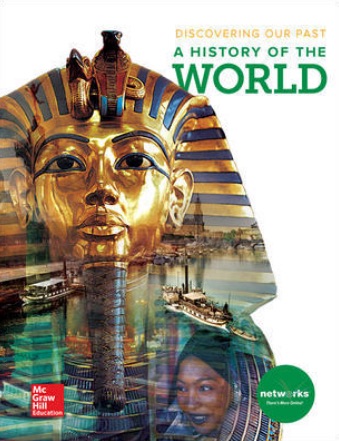
A History of the World: Chapter 5: Ancient Egypt and Kush
30 words
688 learners
Learn words with Flashcards and other activities
Definition First

Other learning activities
Full list of words from this list:
-
unique
radically distinctive and without equalAlthough Egypt and Kush were unique civilizations, they influenced one another throughout their long histories.
-
cataract
a large waterfall; violent rush of water over a precipiceThere, steep cliffs and large boulders form dangerous, fast-moving waters called cataracts.
-
delta
a low area of alluvial deposits where a river dividesThese waterways form a fan-shaped area of fertile marshland called a delta.
-
isolated
remote and separate physically or sociallyThese large desert areas were not favorable to humans or animals. They kept Egypt isolated, however, from outside invaders.
-
papyrus
tall sedge of the Nile valley yielding fiberEgyptians gathered papyrus, a reed plant that grew wild along the Nile. They used the long, thin reeds to weave rope, sandals, baskets, and river rafts. Later, they used papyrus to make paper.
-
hieroglyphic
a writing system using picture symbolsThe combination of pictures and sound symbols created a complex writing system called hieroglyphics.
-
unify
join or combineNarmer conquered Lower Egypt and married one of Lower Egypt's princesses, which unified the kingdoms.
-
dynasty
a sequence of powerful leaders in the same familyThe right to rule was passed from father to son to grandson. Such a line of rulers from one family is called a dynasty.
-
theocracy
a political unit governed by a deityA government in which the same person is both the political leader and the religious leader is called a theocracy.
-
pharaoh
an ancient Egyptian kingAt first, the Egyptian ruler was called a king. Later, he was known as pharaoh. The word pharaoh originally meant "great house." It referred to the grand palace in which the king and his family lived.
-
bureaucrat
a nonelective government officialThe pharaoh appointed bureaucrats, or government officials, to carry out his orders.
-
distribute
give to several peopleThe pharaoh also distributed land to officials, priests, and wealthy Egyptians whom he favored.
-
crucial
of the greatest importanceThe Egyptians depended on the sun to grow their crops and on the Nile River to make the soil fertile. Thus, two of the most crucial gods were the sun god Re and the river god Hapi.
-
reside
live inThey thought that the pharaoh's soul resided in his body, and that the body had to be protected in order for the soul to complete the journey to the afterlife.
-
embalm
preserve a dead bodyAs a result, the process of embalming emerged so that Egyptians could protect bodies for the afterlife.
-
pyramid
large monument with a square base and four triangular sidesThey built great tombs called pyramids for the pharaohs. These enormous structures were made of stone and covered the area of several city blocks.
-
labor
productive work, especially physical work done for wagesThousands of workers spent years of hard labor to build the pyramids.
-
construct
make by combining materials and partsThey had to measure angles in order to construct a pyramid's walls.
-
role
the actions and activities assigned to a person or groupThe roles of the people in ancient Egypt reflected their social status, or position in society.
-
manual
doing or requiring physical workUnskilled workers performed manual labor, such as unloading cargo from boats and transporting it to markets.
-
obtain
come into possession ofEgyptian women held a legal status similar to that of men. They could own property, buy and sell goods, and obtain divorces.
-
incense
a substance that produces a fragrant odor when burnedThere, Egyptian traders exchanged beads, metal tools, and weapons for gold, ivory, ebony wood, and incense, a material burned for its pleasant smell.
-
envoy
someone on a mission to represent another's interestsTo maintain close ties, pharaohs and the other rulers also exchanged envoys, or representatives.
-
acquire
come into the possession of something concrete or abstractEgypt acquired gold, copper, ivory and other valuable goods from conquered peoples.
-
authority
the power or right to give orders or make decisionsAmenhotep believed that Egypt's priests had grown too powerful and wealthy. He felt threatened by their power. To lessen the priests' authority, Amenhotep started a new religion.
-
decline
grow smallerAfter Ramses II died, Egypt declined. Pharaohs fought costly wars. Armies from the eastern Mediterranean attacked Egypt. By 1150 B.C., the Egyptian empire controlled only the Nile delta.
-
savanna
a flat grassland in tropical or subtropical regionsThey herded long-horned cattle on the savannas, or grassy plains, that stretch across Africa south of the Sahara.
-
rely
depend on, as for supportUnlike the Egyptians, the Nubians did not rely on the Nile floods to create fertile soil.
-
challenge
issue a call to engage in a contest or fightIn time, Kush became powerful enough to challenge Egypt.
-
textile
artifact made by weaving or felting or knitting fibersIn return, they brought back cotton, textiles, or woven cloth, and other goods.
Created on Thu Jun 17 09:54:22 EDT 2021
(updated Tue Jul 20 11:25:08 EDT 2021)
Sign up now (it’s free!)
Whether you’re a teacher or a learner,
Vocabulary.com can put you or your class
on the path to systematic vocabulary improvement.