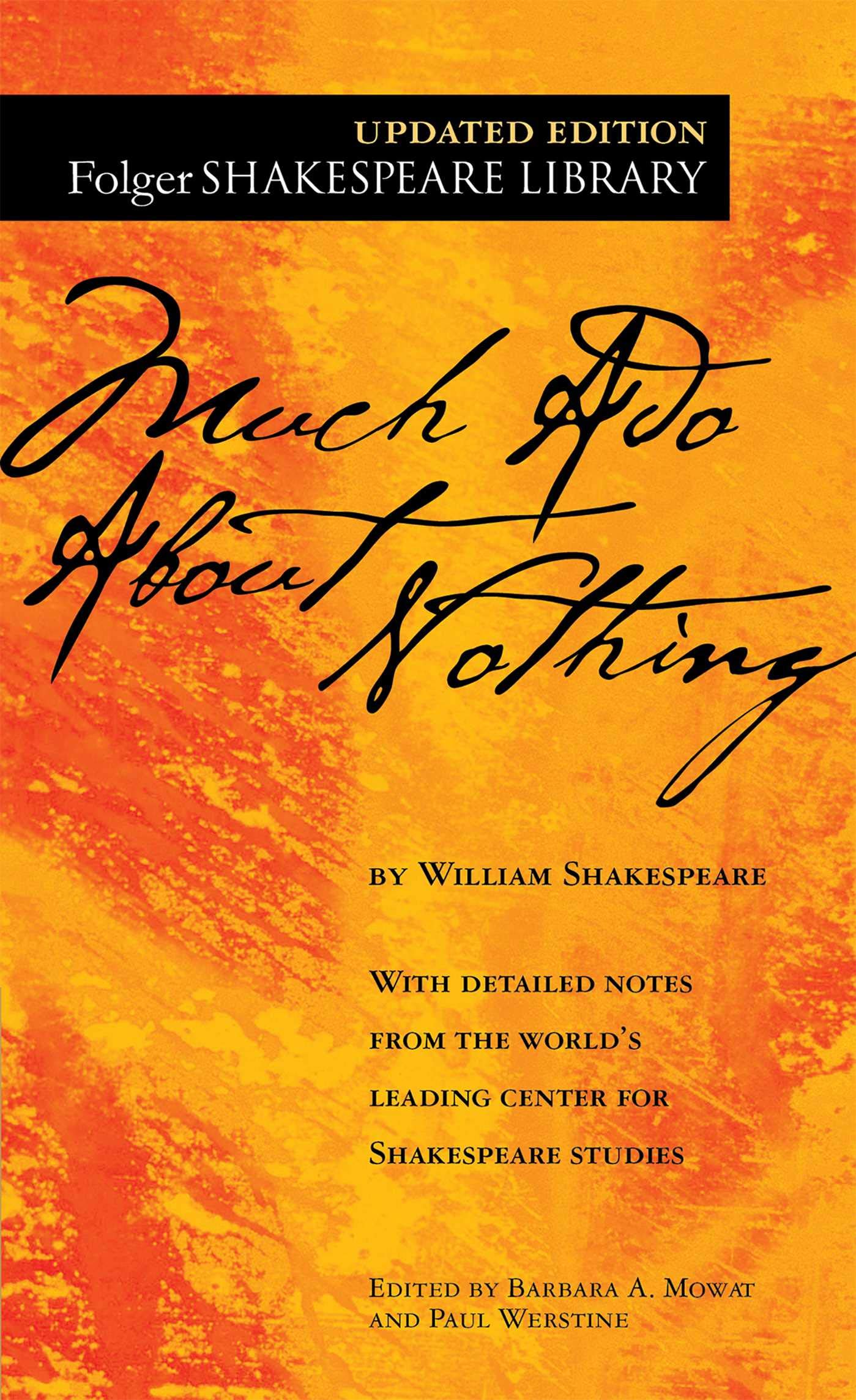
Much Ado About Nothing: Act 4
Tired of their constant bickering, Beatrice and Benedick's friends hatch a plan to get the two to fall in love. Learn these words from Shakespeare's comedy about fidelity and deception. Read the full text here.
Here are links to our lists for the play: Act 1, Act 2, Act 3, Act 4, Act 5
40 words
2543 learners
Learn words with Flashcards and other activities
Definition First

Other learning activities
Full list of words from this list:
-
impediment
something immaterial that interferes with action or progressIf either of you know any inward impediment why you should not be conjoined, I charge you on your souls to utter it.
-
interjection
an abrupt emphatic exclamation expressing emotionHow now, interjections? Why, then, some be of laughing, as ah, ha, he!
-
render
give up someone or something to anotherCLAUDIO: And what have I to give you back whose worth
May counterpoise this rich and precious gift?
PRINCE: Nothing, unless you render her again. -
semblance
the outward or apparent appearance or form of somethingShe's but the sign and semblance of her honor.
-
vanquish
defeat in a competition, race, or conflictDear my lord, if you in your own proof
Have vanquished the resistance of her youth -
extenuate
lessen or to try to lessen the seriousness or degree ofI know what you would say: if I have known her,
You will say she did embrace me as a husband,
And so extenuate the forehand sin. -
bashful
self-consciously timidI never tempted her with word too large,
But, as a brother to his sister, showed
Bashful sincerity and comely love. -
comely
according with custom or proprietyI never tempted her with word too large,
But, as a brother to his sister, showed
Bashful sincerity and comely love. -
beset
assail or attack on all sidesO, God defend me! How am I beset!The tone of Hero's words is painful, because her groom, her father, the Prince, and his brother are all questioning her honor. But there could be a humorous visual pun on beset which also means "decorate or cover lavishly, as with gems." Hero says these lines in a wedding dress that was earlier described as being worth more than a duchess's gown that is "lac'd with silver, set with pearls."
-
vile
morally reprehensibleUpon mine honor,
Myself, my brother, and this grievèd count
Did see her, hear her, at that hour last night
Talk with a ruffian at her chamber window,
Who hath indeed, most like a liberal villain,
Confessed the vile encounters they have had
A thousand times in secret. -
fare
proceed, get along, or succeedBut fare thee well, most foul, most fair.
-
impiety
unrighteousness by virtue of lacking respect for a godFarewell,
Thou pure impiety and impious purity! -
smother
conceal or hideCome, let us go. These things, come thus to light,
Smother her spirits up. -
reproach
a mild rebuke or criticismDo not live, Hero, do not ope thine eyes,
For, did I think thou wouldst not quickly die,
Thought I thy spirits were stronger than thy shames,
Myself would, on the rearward of reproaches,
Strike at thy life. -
chide
scold or reprimand severely or angrilyGrieved I I had but one?
Chid I for that at frugal Nature’s frame?
O, one too much by thee! Why had I one?
Why ever wast thou lovely in my eyes? -
frugal
avoiding wasteGrieved I I had but one?
Chid I for that at frugal Nature’s frame?
O, one too much by thee! Why had I one?
Why ever wast thou lovely in my eyes? -
besmirch
smear so as to make dirty or stainedWhy had I not with charitable hand
Took up a beggar’s issue at my gates,
Who, smirchèd thus, and mired with infamy,
I might have said “No part of it is mine;
This shame derives itself from unknown loins”? -
mired
entangled or hinderedWhy had I not with charitable hand
Took up a beggar’s issue at my gates,
Who, smirchèd thus, and mired with infamy,
I might have said “No part of it is mine;
This shame derives itself from unknown loins”? -
infamy
a state of extreme dishonorWhy had I not with charitable hand
Took up a beggar’s issue at my gates,
Who, smirchèd thus, and mired with infamy,
I might have said “No part of it is mine;
This shame derives itself from unknown loins”?Leonato makes infamy seem more concrete with the words smirch and mire. He also develops the infamy by 1) assuming that bad blood leads to dishonorable acts ("Could she here deny the story that is printed in her blood?"); 2) connecting his daughter's dishonor to himself; 3) wishing that Hero were not of his blood. -
belie
represent falselyO, on my soul, my cousin is belied!
-
apparition
an act of appearing or becoming visible unexpectedlyI have marked
A thousand blushing apparitions
To start into her face, a thousand innocent shames
In angel whiteness beat away those blushes,
And in her eye there hath appeared a fire
To burn the errors that these princes hold
Against her maiden truth.The more common definition of "a ghostly appearing figure" is also suggested here: after Claudio says his farewell and Leonato asks for a dagger, Hero faints. Many assume she has died, and the Friar comes up with a plan in which she becomes an apparition. -
tenor
the general meaning or substance of an utteranceCall me a fool,
Trust not my reading nor my observations,
Which with experimental seal doth warrant
The tenor of my book; trust not my age,
My reverence, calling, nor divinity,
If this sweet lady lie not guiltless here
Under some biting error. -
perjury
criminal offense of making false statements under oathThou seest that all the grace that she hath left
Is that she will not add to her damnation
A sin of perjury. -
bent
a relatively permanent inclination to react in a certain wayTwo of them have the very bent of honor,
And if their wisdoms be misled in this,
The practice of it lives in John the Bastard,
Whose spirits toil in frame of villainies. -
toil
work hardTwo of them have the very bent of honor,
And if their wisdoms be misled in this,
The practice of it lives in John the Bastard,
Whose spirits toil in frame of villainies. -
villainy
a criminal or vicious actTwo of them have the very bent of honor,
And if their wisdoms be misled in this,
The practice of it lives in John the Bastard,
Whose spirits toil in frame of villainies. -
reave
steal goods; take as spoilsTime hath not yet so dried this blood of mine,
Nor age so eat up my invention,
Nor fortune made such havoc of my means,
Nor my bad life reft me so much of friends,
But they shall find, awaked in such a kind,
Both strength of limb and policy of mind,
Ability in means and choice of friends,
To quit me of them throughly. -
ostentation
pretentious or showy or vulgar displayYour daughter here the princes left for dead.
Let her awhile be secretly kept in,
And publish it that she is dead indeed.
Maintain a mourning ostentation,
And on your family’s old monument
Hang mournful epitaphs and do all rites
That appertain unto a burial. -
epitaph
an inscription in memory of a buried personYour daughter here the princes left for dead.
Let her awhile be secretly kept in,
And publish it that she is dead indeed.
Maintain a mourning ostentation,
And on your family’s old monument
Hang mournful epitaphs and do all rites
That appertain unto a burial. -
rite
any customary observance or practiceYour daughter here the princes left for dead.
Let her awhile be secretly kept in,
And publish it that she is dead indeed.
Maintain a mourning ostentation,
And on your family’s old monument
Hang mournful epitaphs and do all rites
That appertain unto a burial. -
appertain
be a part or attribute ofYour daughter here the princes left for dead.
Let her awhile be secretly kept in,
And publish it that she is dead indeed.
Maintain a mourning ostentation,
And on your family’s old monument
Hang mournful epitaphs and do all rites
That appertain unto a burial. -
travail
use of physical or mental energy; hard workThat is some good.
But not for that dream I on this strange course,
But on this travail look for greater birth. -
lamented
mourned or grieved forShe, dying, as it must be so maintained,
Upon the instant that she was accused,
Shall be lamented, pitied, and excused
Of every hearer. -
reclusive
withdrawn from society; seeking solitudeAnd if it sort not well, you may conceal her,
As best befits her wounded reputation,
In some reclusive and religious life,
Out of all eyes, tongues, minds, and injuries. -
tarry
stay longer than you shouldBENEDICK: Tarry, sweet Beatrice.
BEATRICE: I am gone, though I am here. There is no love in you. Nay, I pray you let me go. -
slander
attack the good name and reputation of someoneIs he not approved in the height a villain that hath slandered, scorned, dishonored my kinswoman?
-
unmitigated
not diminished or moderated in intensity or severityWhat, bear her in hand until they come to take hands, and then, with public accusation, uncovered slander, unmitigated rancor—O God, that I were a man! I would eat his heart in the marketplace.The structure of the sentence makes rancor seem like a synonym for accusation and slander. But by the time Beatrice gets to the word, she has already spat out other synonyms, including scorn and dishonor. "Unmitigated rancor" ("deep and bitter anger, ill will, resentment") is used by Beatrice to describe Claudio's behavior, but the audience sees that it actually describes her feelings about the injustice done to her cousin, which makes her want to kill Claudio.
-
rancor
a feeling of deep and bitter anger and ill-willWhat, bear her in hand until they come to take hands, and then, with public accusation, uncovered slander, unmitigated rancor—O God, that I were a man! I would eat his heart in the marketplace.
-
malefactor
someone who has committed a crimeWhich be the malefactors?
-
redemption
the act of delivering from sin or saving from evilO, villain! Thou wilt be condemned into everlasting redemption for this!
Created on Tue Apr 28 15:31:51 EDT 2015
(updated Tue Jun 21 12:22:18 EDT 2022)
Sign up now (it’s free!)
Whether you’re a teacher or a learner,
Vocabulary.com can put you or your class
on the path to systematic vocabulary improvement.