liberalism
Other forms: liberalisms
Liberalism in politics favors social progress, through the agency of government, while liberalism in economics favors a free and open market, without government interference.
Liberalism in contemporary politics is said to fall on the left-hand side of the political spectrum, which is why its adherents are sometimes called, collectively, "the Left." (Adherents of "conservatism" are called "the Right," and they are generally strongly opposed to liberalism.) "Political liberalism," which may favor more government regulation, is not interchangeable with "economic liberalism," which favors less government regulation, a strategy political conservatism often agrees with.
-
a political orientation that favors social progress by reform and by changing laws rather than by revolutiontypes:neoliberalisma political orientation originating in the 1960s; blends liberal political views with an emphasis on economic growthtype of:ideology, political orientation, political theoryan orientation that characterizes the thinking of a group or nation
-
an economic theory advocating free competition and a self-regulating markettype of:economic theory(economics) a theory of commercial activities (such as the production and consumption of goods)
- MLA
- APA
- Chicago
Vocabulary lists containing liberalism

Learn this list of political and philosophical terms that end in the suffix -ism.
The son of a blacksmith, Herbert Hoover earned millions through his work as a geologist and mining engineer. While his economic successes led to political positions, he believed that American progress is rooted in the separation of government and business. Here are some words from the October 22, 1928 speech that capped his campaign to become the 31st President.
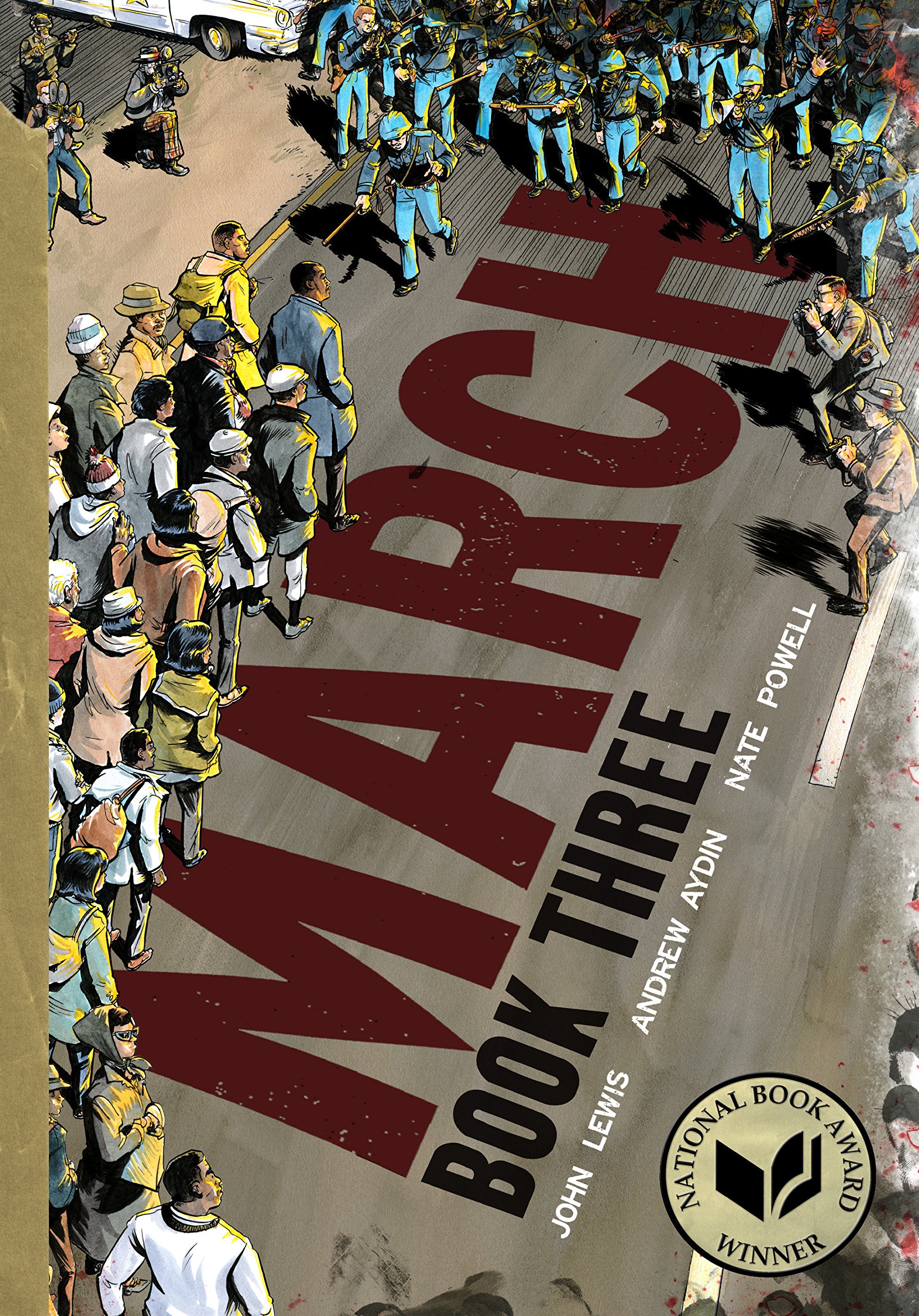
Written with Andrew Aydin and illustrated by Nate Powell, Congressman John Lewis's award-winning graphic novel chronicles his experiences in the U.S. Civil Rights Movement.