imperialism
Other forms: imperialisms
Imperialism is a type of government that seeks to increase its size, either by forcing (through war) or influencing (through politics) other countries to submit to their rule.
The sun never sets on the Roman Empire, or so went the saying when Rome controlled the majority of Europe 2000 years ago. Empire has the same Latin root as imperialism, and the Roman Empire grew to be so vast because they invaded, conquered, and developed everywhere they could. Until Rome fell, that is. Imperialism isn’t always violent, but it’s usually used in a negative sense, so watch for secret agents if you’re talking about your country’s policy of imperialism.
-
a policy of extending your rule over foreign countriestypes:manifest destinya policy of imperialism rationalized as inevitable (as if granted by God)type of:foreign policya policy governing international relations
-
a political orientation that advocates imperial intereststype of:ideology, political orientation, political theoryan orientation that characterizes the thinking of a group or nation
-
any instance of aggressive extension of authoritytype of:controlthe activity of managing or exerting control over something
- MLA
- APA
- Chicago
Vocabulary lists containing imperialism
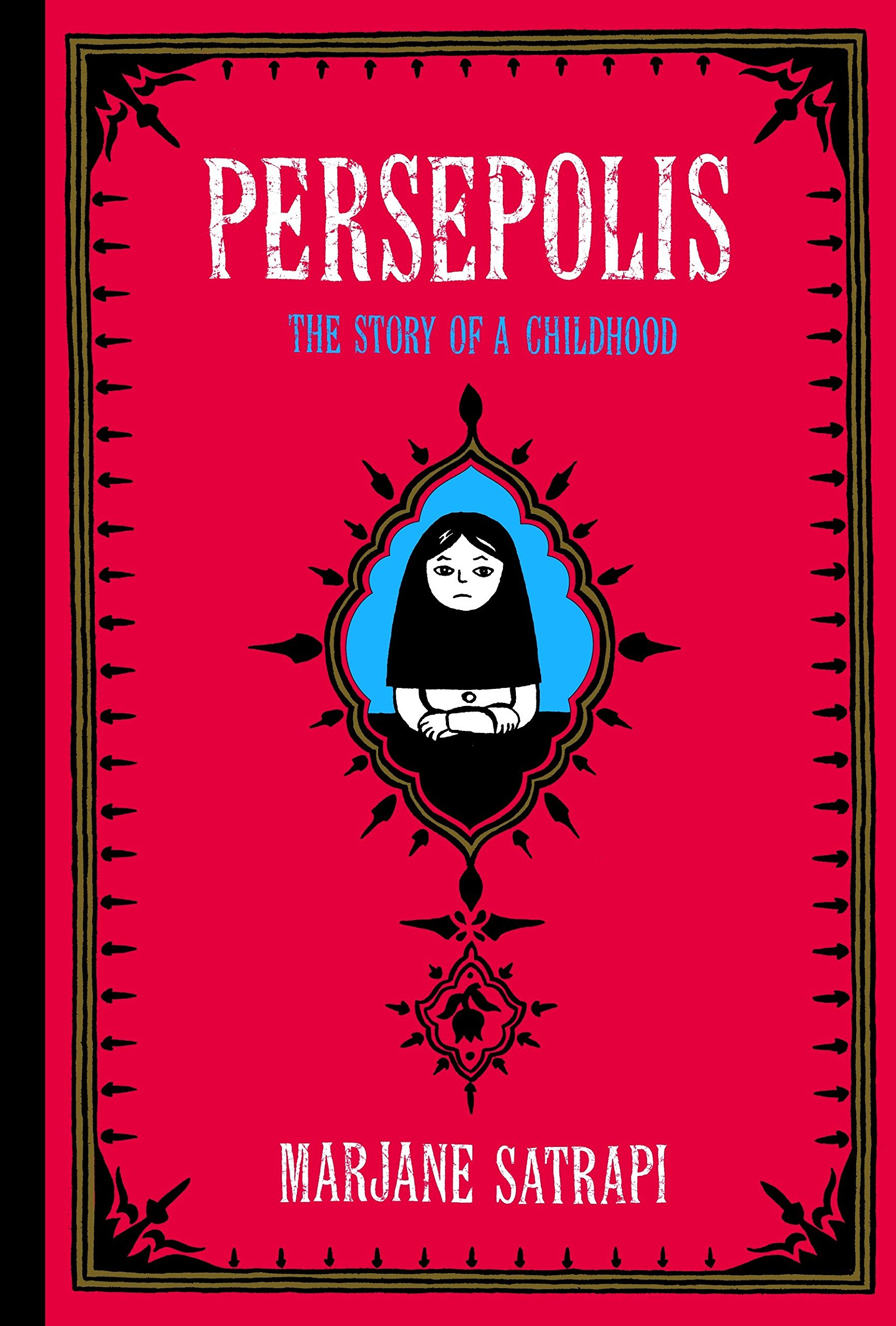
In this memoir, presented in graphic form, Marjane Satrapi describes growing up during the Iranian revolution.

The suffix ism is added to words to mean "the process or action of" or "the system, principle, or theory of." We're sure you'll learn these -ism words with optimism!
Review these human geography terms and learn all about the human forces that shape and are shaped by the natural world.You'll explore immigration and emigration, colonialism, development and urbanization, demography, globalization, and much more. Expand the boundaries of your vocabulary with this list!