os
Definitions of os
-
rigid connective tissue that makes up the skeleton of vertebratestypes:os jugalthe arch of bone beneath the eye that forms the prominence of the cheekclaviculebone linking the scapula and sternumcoccyxthe end of the vertebral column in humans and tailless apesbassin, os iliaquelarge flaring bone forming one half of the pelvis; made up of the ilium and ischium and pubisischionone of the three sections of the hipbone; situated below the iliumos longin limbs of vertebrate animals: a long cylindrical bone that contains marrowos du nezan elongated rectangular bone that forms the bridge of the noseosseleta small bone; especially one in the middle earpubisone of the three sections of the hipbone; together these two bones form the front of the pelviscôteany of the 12 pairs of curved arches of bone extending from the spine to or toward the sternum in humans (and similar bones in most vertebrates)sacrumwedge-shaped bone consisting of five fused vertebrae forming the posterior part of the pelvis; its base connects with the lowest lumbar vertebra and its tip with the coccyxomoplateeither of two flat triangular bones one on each side of the shoulder in human beingssternumthe flat bone that articulates with the clavicles and the first seven pairs of ribsos temporala thick bone forming the side of the human cranium and encasing the inner eardenthard bonelike structures in the jaws of vertebrates; used for biting and chewing or for attack and defensevertèbreone of the bony segments of the spinal columncrânethe bony skeleton of the head of vertebratesboîte crâniennethe part of the skull that encloses the brainmâchoirethe part of the skull of a vertebrate that frames the mouth and holds the teethdéfensea long pointed tooth specialized for fighting or digging; especially in an elephant or walrus or hogmâchoirethe jaw in vertebrates that is hinged to open the mouthrotulea small flat triangular bone in front of the knee that protects the knee jointdentinformal terms for a human `tooth'dent de laitone of the first temporary teeth of a young mammal (one of 20 in children)canineone of the four pointed conical teeth (two in each jaw) located between the incisors and the premolarsprémolairea tooth having two cusps or points; located between the incisors and the molarsincisivea tooth for cutting or gnawing; located in the front of the mouth in both jawsmolairegrinding tooth with a broad crown; located behind the premolarsvertèbre cervicaleone of 7 vertebrae in the human spine located in the neck regionvertèbre dorsaleone of 12 vertebrae in the human vertebral column; thoracic vertebrae extend from the seventh cervical vertebra down to the first lumbar vertebravertèbre lombaireone of 5 vertebrae in the human vertebral column; lumbar vertebrae extend from the twelfth thoracic vertebra down to the sacral vertebraeos de jambea bone of the legtype of:tissu conjonctiftissue of mesodermal origin consisting of e.g. collagen fibroblasts and fatty cells; supports organs and fills spaces between them and forms tendons and ligaments
Cite this entry
Style:
MLA
- MLA
- APA
- Chicago
DISCLAIMER: These example sentences appear in various news sources and books to reflect the usage of the word ‘os'.
Views expressed in the examples do not represent the opinion of Vocabulary.com or its editors.
Send us feedback
Word Family
Vocabulary lists containing os
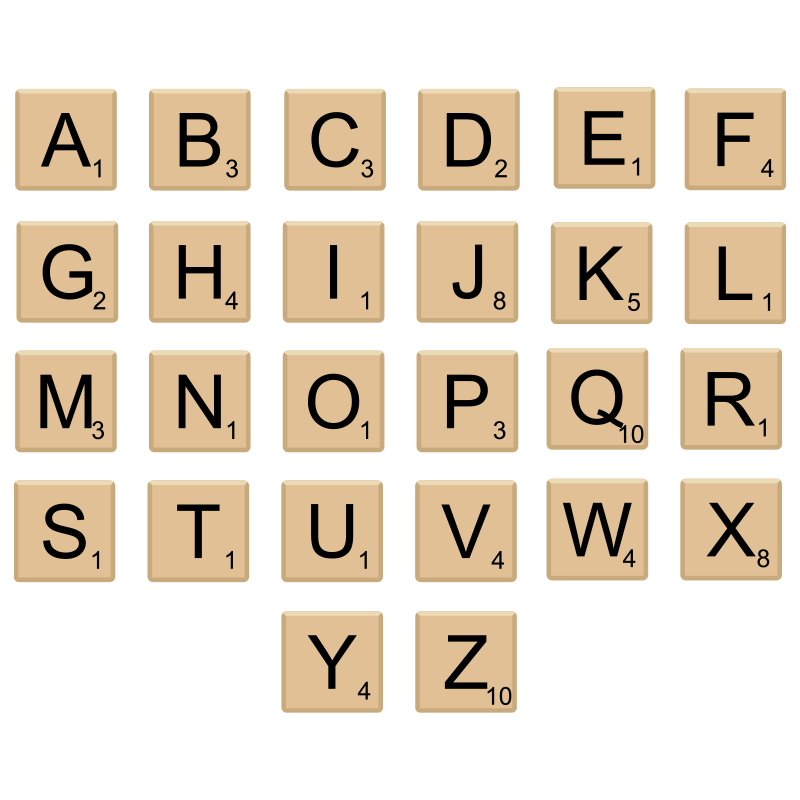
Scrabble: Two-Letter Words
Near the end of a Scrabble game, two-letter words reign supreme. Eke out a victory with this list of two-letter words. Check out our other lists in the collection: High Scoring Words Two-Letter Words Four-Letter Words with 3 Vowels Words with 5 Vowels Words with no Vowels Words that Start with Q Words with Q without U Words that Start with X Palindromes