no
Other forms: noes
No is the ultimate negative: it means "not any," or "not at all," and it's also used to express a generally negative response. If there's no milk for your cereal in the morning, there's not a drop left.
A sign in a school hallway that says "No running" means that it's absolutely not allowed. And, the response, "No, thanks" when you offer your friend half of your liverwurst sandwich means that she is really not interested. You might vote no on a special ballot question about extending school to Saturdays or exclaim, "Oh no!" to express disappointment when your team loses a big game. No comes from the Old English negative, na.
-
quantifier; used with either mass nouns or plural count nouns for indicating a complete or almost complete lack or zero quantity of“we have no bananas”“no eggs left and no money to buy any”“have you no decency?”“did it with no help”“I'll get you there in no time”synonyms:nary(used with singular count nouns) colloquial for 'not a' or 'not one' or 'never a'nonenot anyzerohaving no measurable or otherwise determinable valueantonyms:somequantifier; used with either mass nouns or plural count nouns to indicate an unspecified number or quantityallquantifier; used with either mass or count nouns to indicate the whole number or amount of or every one of a classmanya quantifier that can be used with count nouns and is often preceded by `as' or `too' or `so' or `that'; amounting to a large but indefinite numberfewa quantifier that can be used with count nouns and is often preceded by `a'; a small but indefinite numberboth(used with count nouns) two considered together; the twoseveral(used with count nouns) of an indefinite number more than 2 or 3 but not manyeach(used of count nouns) every one considered individuallyevery(used of count nouns) each and all of the members of a group considered singly and without exceptionevery last(used as intensive) everyeveryeach and all of a series of entities or intervals as specified
-
used to express refusal or denial or disagreement etc or especially to emphasize a negative statement“no, you are wrong”
-
referring to the degree to which a certain quality is present“he was no heavier than a child”synonyms: no more
-
not in any degree or manner; not at all“he is no better today”
-
a negative
- MLA
- APA
- Chicago
Vocabulary lists containing no
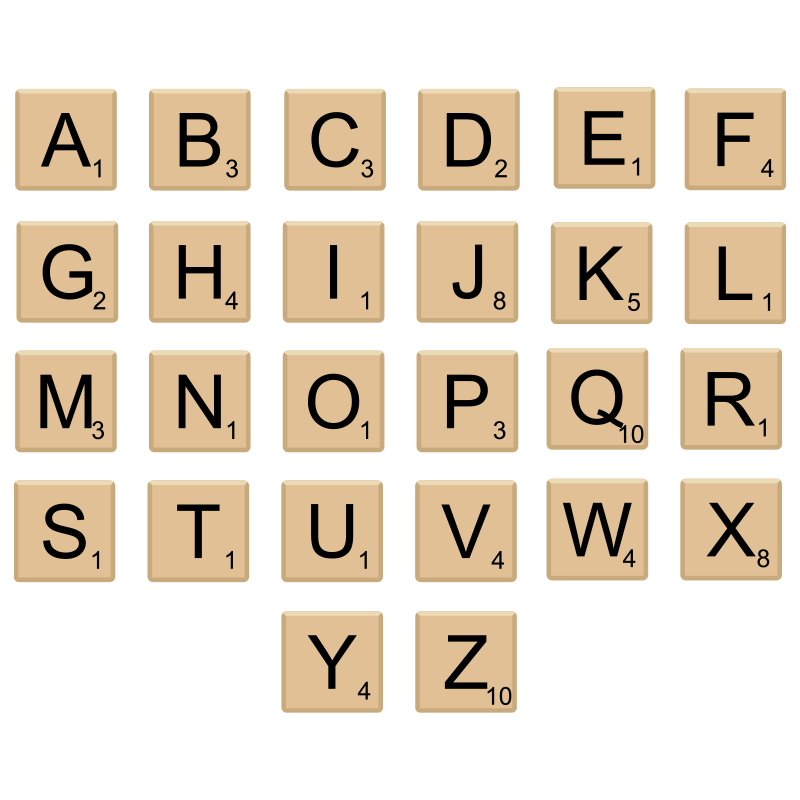
Near the end of a Scrabble game, two-letter words reign supreme. Eke out a victory with this list of two-letter words. Check out our other lists in the collection: High Scoring Words Two-Letter Words Four-Letter Words with 3 Vowels Words with 5 Vowels Words with no Vowels Words that Start with Q Words with Q without U Words that Start with X Palindromes
Choose the Spelling Bee activity to practice spelling these words.