limbo
Other forms: limbos
No, this isn’t the dance where you try to squeeze under a pole by leaning backwards, this limbo refers to an imaginary place for lost or forgotten things. It’s where your socks go when you lose them in the dryer.
Limbo is originally a Roman Catholic term used to describe a place for infants who die before baptism. In common speech limbo can be used in much the same way as “gray area.” It’s a place where nothing is clear or certain. When the law isn’t clear on a specific issue, then that issue is in “legal limbo.” If there is an election that is so close that no one knows who won, that’s “political limbo.”
-
(theology) in Roman Catholicism, the place of unbaptized but innocent or righteous souls (such as infants and virtuous individuals)type of:fictitious place, imaginary place, mythical placea place that exists only in imagination; a place said to exist in fictional or religious writings
-
a period of prolonged uncertainty
-
the state of being disregarded or forgotten
-
an imaginary place for lost or neglected thingstype of:fictitious place, imaginary place, mythical placea place that exists only in imagination; a place said to exist in fictional or religious writings
- MLA
- APA
- Chicago
Vocabulary lists containing limbo
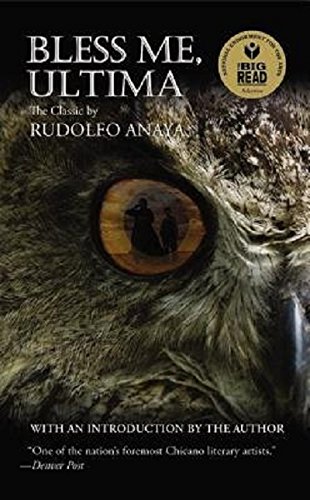
As he grows up and develops his own sense of identity, Tony is guided by Ultima, a curandera who heals with magic.

Three young refugees — a Jewish boy fleeing Nazi Germany in 1939, a Cuban girl suffering under the Castro regime in 1994, and a Muslim boy trying to escape war-torn Syria in 2015 — make desperate journeys in search of freedom and safety.

An acclaimed science-fiction classic, Kindred tells the story of Dana, an African-American woman in 1970s California who time-travels to the American South before the Civil War.