credenza
Definitions of credenza
-
a strong belief in a supernatural power or powers that control human destinytypes:cultoa system of religious beliefs and ritualsteismothe doctrine or belief in the existence of a God or godspaganesimoany of various religions other than Christianity or Judaism or Islamisminduismoa body of religious and philosophical beliefs and cultural practices native to India and based on a caste system; it is characterized by a belief in reincarnation, by a belief in a supreme being of many forms and natures, by the view that opposing theories are aspects of one eternal truth, and by a desire for liberation from earthly evilsquietismoa form of religious mysticism requiring withdrawal from all human effort and passive contemplation of Godmonoteismobelief in a single Godpanteismobelief in multiple Godscattolicesimothe beliefs and practices of a Catholic Churchprotestantesimothe theological system of any of the churches of western Christendom that separated from the Roman Catholic Church during the ReformationyogaHindu discipline aimed at training the consciousness for a state of perfect spiritual insight and tranquility that is achieved through the three paths of actions and knowledge and devotiontype of:concetto, convincimento, convinzione, idea, opinione, parere, punto di vista, vedutaany cognitive content held as true
-
any cognitive content held as truesynonyms: concetto, convincimento, convinzione, idea, opinione, parere, punto di vista, vedutaexamples:IsideEgyptian goddess of fertility; daughter of Geb; sister and wife of Osiriscompletoevil Egyptian god with the head of a beast that has high square ears and a long snout; brother and murderer of OsirisLucifero(Judeo-Christian and Islamic religions) chief spirit of evil and adversary of God; tempter of mankind; master of HellEologod of the winds in ancient mythologyApollo(Greek mythology) Greek god of light; god of prophecy and poetry and music and healing; son of Zeus and Leto; twin brother of ArtemisAfroditegoddess of love and beauty and daughter of Zeus in ancient mythology; identified with Roman VenusVeneregoddess of love; counterpart of Greek AphroditeAres(Greek mythology) Greek god of war; son of Zeus and Hera; identified with Roman MarsMarte(Roman mythology) Roman god of war and agriculture; father of Romulus and Remus; counterpart of Greek AresArtemide(Greek mythology) the virgin goddess of the hunt and the Moon; daughter of Leto and twin sister of Apollo; identified with Roman DianaDiana(Roman mythology) virgin goddess of the hunt and the Moon; counterpart of Greek ArtemisAtegoddess of criminal rashness and its punishmentPallade(Greek mythology) goddess of wisdom and useful arts and prudent warfare; guardian of Athens; identified with Roman MinervaMinerva(Roman mythology) goddess of wisdom; counterpart of Greek AthenaChaos(Greek mythology) the most ancient of gods; the personification of the infinity of space preceding creation of the universeSaturno(Roman mythology) god of agriculture and vegetation; counterpart of Greek CronusDemetra(Greek mythology) goddess of fertility and protector of marriage in ancient mythology; counterpart of Roman CeresCerere(Roman mythology) goddess of agriculture; counterpart of Greek DemeterDionisio(Greek mythology) god of wine and fertility and drama; the Greek name of BacchusEsculapioson of Apollo; a hero and the Roman god of medicine and healing; his daughters were Hygeia and PanaceaBacco(classical mythology) god of wine; equivalent of DionysusErebus(Greek mythology) Greek god of darkness who dwelt in the underworld; son of Chaos; brother of Nox; father of Aether and DayNotteRoman goddess of night; daughter of Erebus; counterpart of Greek Nyxeros(Greek mythology) god of love; son of Aphrodite; identified with Roman CupidCupido(Roman mythology) god of love; counterpart of Greek ErosGaia(Greek mythology) goddess of the earth and mother of Cronus and the Titans in ancient mythologyElios(Greek mythology) ancient god of the sun; drove his chariot across the sky each day; identified with Roman SolEfesto(Greek mythology) the lame god of fire and metalworking in ancient mythology; identified with Roman VulcanVulcano(Roman mythology) god of fire and metal working; counterpart of Greek HephaestusErmes(Greek mythology) messenger and herald of the gods; god of commerce and cunning and invention and theft; identified with Roman MercuryMercurio(Roman mythology) messenger of Jupiter and god of commerce; counterpart of Greek HermesEraqueen of the Olympian gods in ancient Greek mythology; sister and wife of Zeus remembered for her jealously of the many mortal women Zeus fell in love with; identified with Roman JunoGiunone(Roman mythology) queen of the Olympian gods who protected marriage; wife and sister of Jupiter; counterpart of Greek HeraEstia(Greek mythology) the goddess of the hearth and its fire in ancient mythology; identified with Roman VestaVesta(Roman mythology) goddess of the hearth and its fire whose flame was tended by vestal virgins; counterpart of Greek HestiaImeneo(Greek mythology) the god of marriageMinosseson of Zeus and Europa; king of ancient Crete; ordered Daedalus to build the labyrinth; after death Minos became a judge in the underworldClotothe Greek goddess of fate who spins the thread of lifeLachesithe Greek goddess of fate who determines the length of the thread of lifeAtropothe Greek goddess of fate who cuts the thread of lifeNemesi(Greek mythology) the goddess of divine retribution and vengeanceNereo(Greek mythology) a sea god son of Pontus and Gaea; lived in the depths of the sea with his wife Doris and their daughters the NereidsNike(Greek mythology) winged goddess of victory; identified with Roman VictoriaVittoria(Roman mythology) goddess of victory; counterpart of Greek NikePan(Greek mythology) god of fields and woods and shepherds and flocks; represented as a man with goat's legs and horns and ears; identified with Roman Sylvanus or FaunusPoseidone(Greek mythology) the god of the sea and earthquakes in ancient mythology; brother of Zeus and Hades and Hera; identified with Roman NeptunePersefone(Greek mythology) daughter of Zeus and Demeter; made queen of the underworld by Pluto in ancient mythology; identified with Roman ProserpinaProserpinagoddess of the underworld; counterpart of Greek PersephoneFetonte(Greek mythology) son of Helios; killed when trying to drive his father's chariot and came too close to earthAde(Greek mythology) the god of the underworld in ancient mythology; brother of Zeus and husband of PersephonePrometeo(classical mythology) god of male procreative power and guardian of gardens and vineyardsSelene(Greek mythology) goddess of the Moon in ancient mythology; identified with Roman LunaEos(Greek mythology) the winged goddess of the dawn in ancient mythology; daughter of Hyperion; identified with Roman AuroraAurora(Roman mythology) goddess of the dawn; counterpart of Greek EosTellus(Roman mythology) goddess of the earth; protector of marriage and fertility; identified with Greek Gaeatitano(Greek mythology) any of the primordial giant gods who ruled the Earth until overthrown by Zeus; the Titans were offspring of Uranus (Heaven) and Gaea (Earth)Tyche(Greek mythology) the goddess of fortune; identified with Roman FortunaFortuna(Roman mythology) the goddess of fortune and good luck; counterpart of Greek TycheZeus(Greek mythology) the supreme god of ancient Greek mythology; son of Rhea and Cronus whom he dethroned; husband and brother of Hera; brother of Poseidon and Hades; father of many gods; counterpart of Roman JupiterGiove(Roman mythology) supreme god of Romans; counterpart of Greek ZeusOpi(Roman mythology) goddess of abundance and fertility; wife of Saturn; counterpart of Greek Rhea and Cybele of ancient Asia MinorFreja(Norse mythology) goddess of love and fecundity; daughter of Njorth and sister of FreyCalliope(Greek mythology) the Muse of epic poetryClio(Greek mythology) the Muse of historyErato(Greek mythology) the Muse of lyric and love poetryEuterpe(Greek mythology) the Muse of music (or the flute)Melpomene(Greek mythology) the Muse of tragedyPolimnia(Greek mythology) the Muse of singing and mime and sacred danceTersicore(Greek mythology) the Muse of the dance and of choral songUrania(Greek mythology) the Muse of astronomytypes:dottrina, pensiero, scuola di pensiero, tesia belief (or system of beliefs) accepted as authoritative by some group or schoolpacifismothe belief that all international disputes can be settled by arbitrationspiritismothe belief that the spirits of dead people can communicate with people who are still alive (especially via a medium)superstizionean irrational belief arising from ignorance or fearteoriaa belief that can guide behavioressere soprannaturalean incorporeal being believed to have powers to affect the course of human eventscultoa system of religious beliefs and ritualspoloone of two divergent or mutually exclusive opinionsabolizionismothe doctrine that calls for the abolition of slaveryanimalismothe doctrine that human beings are purely animal in nature and lacking a spiritual natureanimismothe doctrine that all natural objects and the universe itself have soulscredoany system of principles or beliefsdualismo, dualitàthe doctrine that reality consists of two basic opposing elements, often taken to be mind and matter (or mind and body), or good and evilformalismothe doctrine that formal structure rather than content is what should be representednaturismothe doctrine of a sect of Hindu philosophers who practiced nudity and asceticism and meditationirredentismothe doctrine that irredenta should be controlled by the country to which they are ethnically or historically relatednazionalismothe doctrine that your national culture and interests are superior to any othernazionalismothe doctrine that nations should act independently (rather than collectively) to attain their goalsnichilismoa revolutionary doctrine that advocates destruction of the social system for its own sakepacifismothe doctrine that all violence is unjustifiablepluralismothe doctrine that reality consists of several basic substances or elementspopolarismothe political doctrine that supports the rights and powers of the common people in their struggle with the privileged eliteumanitarismothe doctrine that people's duty is to promote human welfareegualitarismothe doctrine of the equality of mankind and the desirability of political and economic and social equalityfemminismoa doctrine that advocates equal rights for womenmagiaany art that invokes supernatural powersesorcismofreeing from evil spiritsutilitarismodoctrine that the useful is the good; especially as elaborated by Jeremy Bentham and James Mill; the aim was said to be the greatest happiness for the greatest numberteismothe doctrine or belief in the existence of a God or godspaganesimoany of various religions other than Christianity or Judaism or Islamisminduismoa body of religious and philosophical beliefs and cultural practices native to India and based on a caste system; it is characterized by a belief in reincarnation, by a belief in a supreme being of many forms and natures, by the view that opposing theories are aspects of one eternal truth, and by a desire for liberation from earthly evilsdilettantismothe conviction that people should participate in sports as a hobby (for the fun of it) rather than for moneycatechismo, credo, dottrinathe written body of teachings of a religious group that are generally accepted by that groupDio, dio, divinità, padreternoany supernatural being worshipped as controlling some part of the world or some aspect of life or who is the personification of a forceangelospiritual being attendant upon Godcheccaa small being, human in form, playful and having magical powersspiritoany incorporeal supernatural being that can become visible (or audible) to human beingstype of:concetto, concezione, idea, pensierothe sum or range of what has been perceived, discovered, or learned
Cite this entry
Style:
MLA
- MLA
- APA
- Chicago
DISCLAIMER: These example sentences appear in various news sources and books to reflect the usage of the word ‘credenza'.
Views expressed in the examples do not represent the opinion of Vocabulary.com or its editors.
Send us feedback
Word Family
Vocabulary lists containing credenza

Believe It or Not: Cred
You can believe in this list of words derived from the Latin root cred, meaning "to believe."
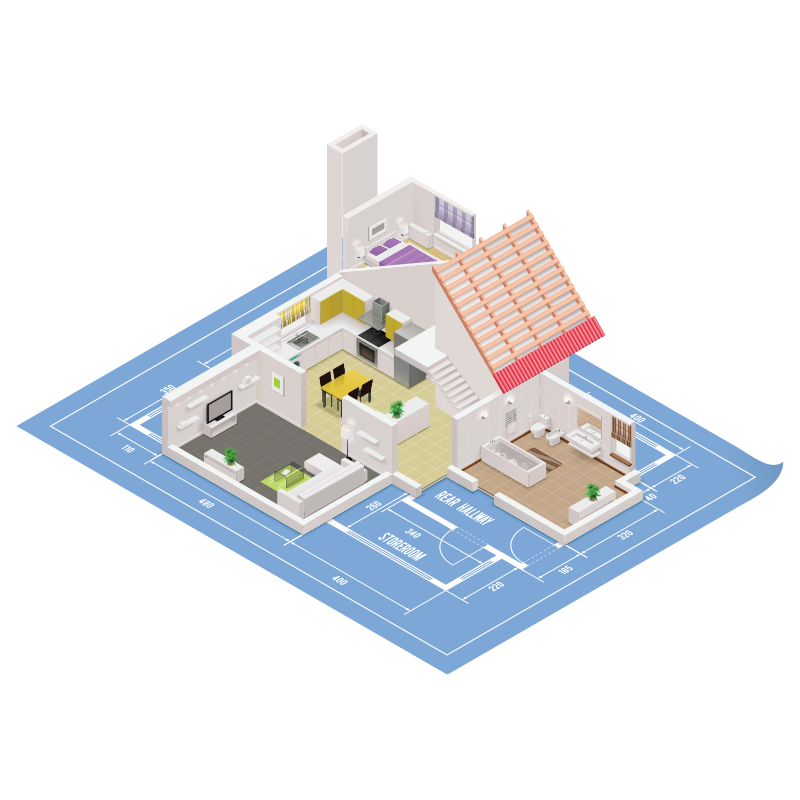
The Ottoman Empire: Furniture Words
Words like "desk" and "chair" are so drab and commonplace that we pay them no mind. Give your vocabulary a makeover with these words for furniture that will have you sounding like a famous interior designer.

cred
You can believe in this list of words derived from the Latin root cred, meaning "to believe."