bard
Other forms: bards
If you’ve heard the word bard, it was probably in English class. William Shakespeare has been known as "The Bard" since the nineteenth century, but the word has a much older history, and, when it's not capitalized, it simply means "lyric poet."
In civilizations without written histories, poets and singers were the ones to spread the word from place to place and across generations. In ancient and medieval Gaelic societies, the professional storytellers were called bards (or bardds, in Wales). Irish bards were part of a chieftain's household, and their job was to record and proclaim the exploits of their lord — although a bard might also compose blistering satires if he was displeased with his employer.
-
a lyric poettype of:poeta writer of poems (the term is usually reserved for writers of good poetry)
-
an ornamental caparison for a horse
-
put a caparison on
- MLA
- APA
- Chicago
Vocabulary lists containing bard
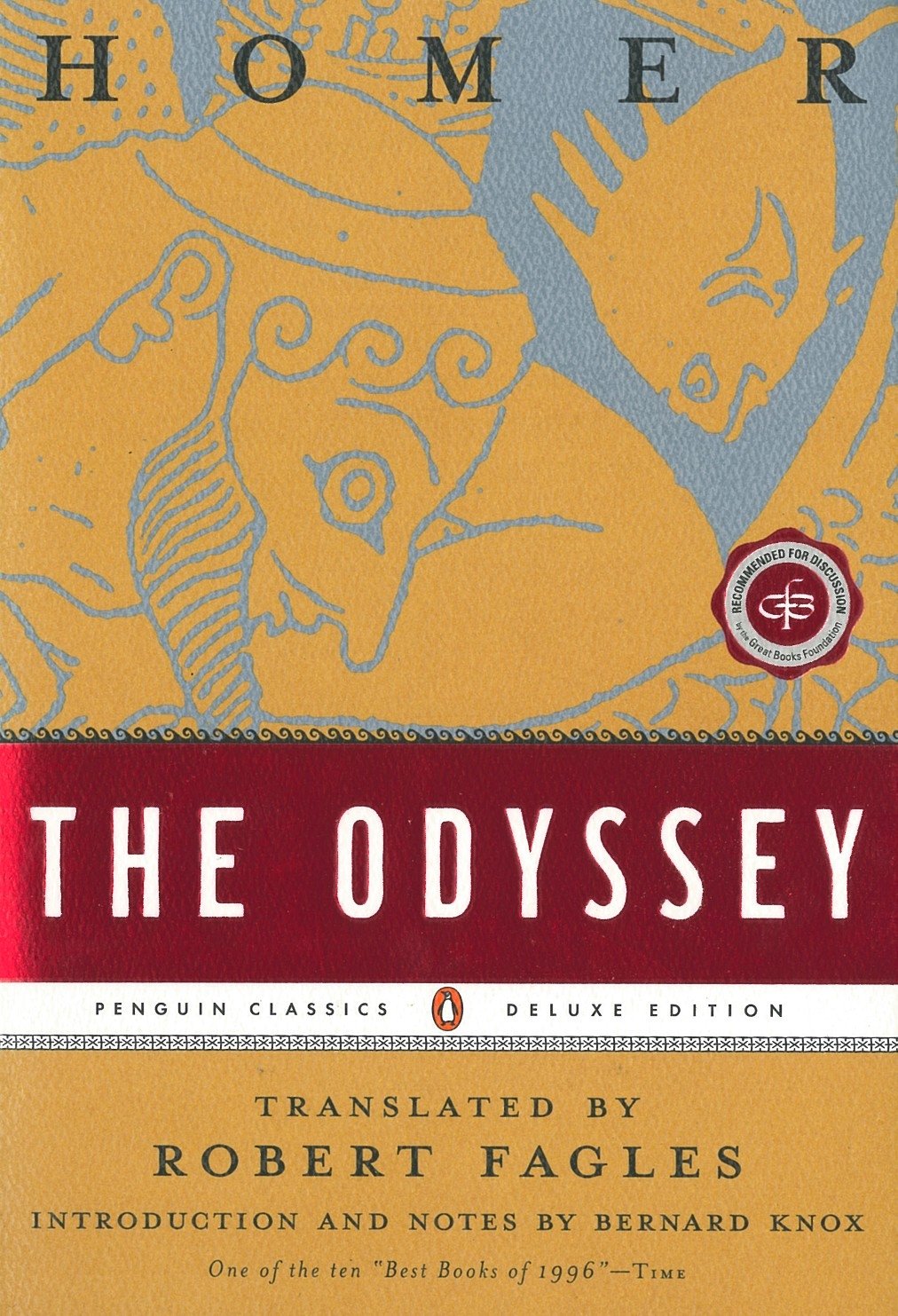
In this epic poem, clever Odysseus attempts to find his way home after the end of the Trojan War. Learn these words from the translation by Robert Fagles.

Although the poet T.S. Eliot wrote, "April is the cruellest month," it also happens to be National Poetry Month. And while it's true that April brings Tax Day, it also offers Passover, Easter, and Arbor Day — and all the vocabulary you'll need to see you through to May.
All the world's a stage — so you'd better brush up on your Shakespeare. Get to know the Bard with this list featuring words related to Elizabethan theater, Shakespeare's sonnets, and more.