figure of speech
Other forms: figures of speech
A figure of speech is a phrase or saying that's not literal, like saying someone who died "kicked the bucket."
Language is full of terms, phrases, and sayings that might seem odd if you don't already know what they mean. When you say you're hungry enough to eat a horse, it's doubtful you mean that literally: it's just a figure of speech. When you say it's raining cats and dogs, pets aren't falling from the sky: it's a figure of speech. English is full of figures of speech, which are definitely not a case of language going to the dogs.
-
language used in a figurative or nonliteral sensetypes:conceitan elaborate poetic image or a far-fetched comparison of very dissimilar thingsironya trope that involves incongruity between what is expected and what occurskenninga compound word used as a conventional metaphorical name for something, specially in Old English and Old Norse poetrymetaphora figure of speech in which an expression is used to refer to something that it does not literally denote in order to suggest a similaritymetonymysubstituting the name of an attribute or feature for the name of the thing itself (as in `they counted heads')oxymoronconjoining contradictory terms (as in `deafening silence')similea figure of speech that expresses a resemblance between things of different kinds (usually formed with 'like' or 'as')synecdochea figure of speech in which part of something is used to refer to or represent the whole thing (or vice versa)zeugmause of a word to govern two or more words though appropriate to only onesynesthesiaa figure of speech in which an author appeals to more than one of the five sensesdramatic irony(theater) irony that occurs when the meaning of the situation is understood by the audience but not by the characters in the playdead metaphor, frozen metaphora metaphor that has occurred so often that it has become a new meaning of the expression (e.g., `he is a snake' may once have been a metaphor but after years of use it has died and become a new sense of the word `snake')mixed metaphora combination of two or more metaphors that together produce a ridiculous effectsynesthetic metaphora metaphor that exploits a similarity between experiences in different sense modalitiesmetalepsissubstituting metonymy of one figurative sense for anothersyllepsisuse of a word to govern two or more words though agreeing in number or case etc. with only oneverbal ironywhen the intended meaning of a speaker’s words contrasts with the literal meaningsituational ironywhen the result of an event or action is the opposite of what was intended or expectedtype of:rhetorical devicea use of language that creates a literary effect (but often without regard for literal significance)
- MLA
- APA
- Chicago
Vocabulary lists containing figure of speech
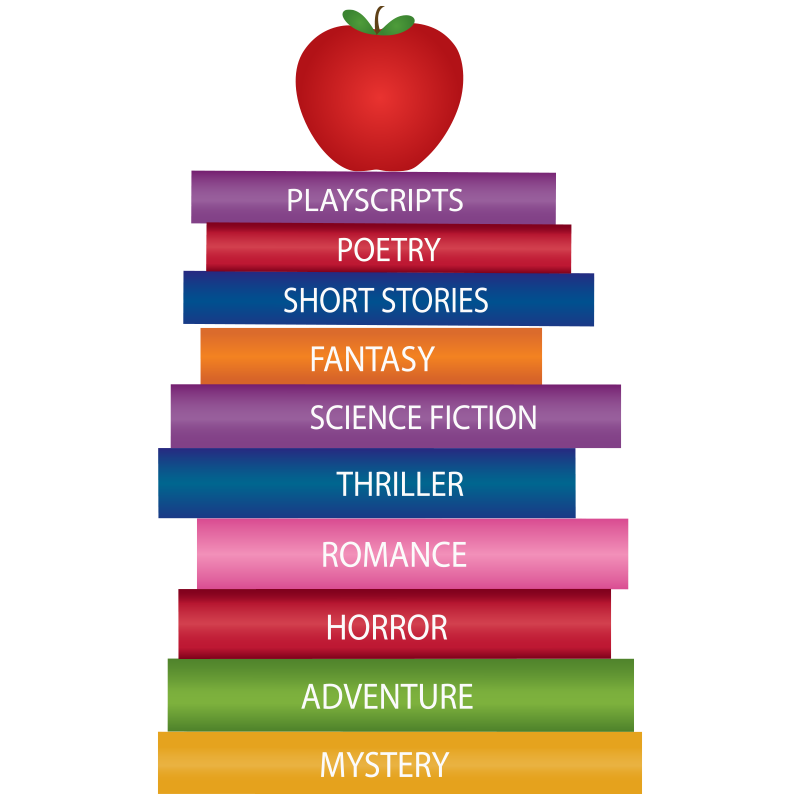
Have you got the write stuff? Find out by learning this comprehensive list of words related to writing. Here are links to our lists for the collection: Grammar, Reference, Drafting, Text Structure, Purpose, Argumentative Writing, Theme, Genre, Poetry, Plot Development, Literary Devices
If you want to be a grammar guru, it's imperative that you capitalize on this list. Learn about punctuation, parts of speech, types of sentences, and more. This list is sure to help you develop superlative knowledge of language and grammar. Period.
If you want to be a grammar guru, it's imperative that you capitalize on this list. Learn about punctuation, parts of speech, types of sentences, and more. This list is sure to help you develop superlative knowledge of language and grammar. Period.