obelisk
Other forms: obelisks
Next time you visit the nation’s capital, you can wow tourists by telling them the Washington Monument is an obelisk — a tall, narrow stone pillar that tapers to a point at the top and commemorates an important person or event.
Obelisks were all the rage in ancient Egypt and still in vogue in Rome’s heyday. The Egyptians associated the skinny four-sided monoliths with the sun god Ra and thought they looked like the sun’s rays shining down. Herodotus was among the first writers to describe obelisks, and it’s to him that we owe the word; it comes from the Greek obelos, meaning “nail” or “pointed pillar.” History buffs can still spot obelisks, also called “Cleopatra’s Needles,” everywhere from Myanmar to Manhattan.
-
a stone pillar having a rectangular cross section tapering towards a pyramidal topexamples:Washington Monumenta stone obelisk built in Washington in 1884 to honor George Washington; 555 feet tall
-
a character used in printing to indicate a cross reference or footnote
- MLA
- APA
- Chicago
Vocabulary lists containing obelisk
Travel back to the days of the pharaohs by studying this list of terms related to ancient Egypt. If it's all hieroglyphics to you, now's your chance to learn all about mummies, pyramids, and the mysterious sphinx.
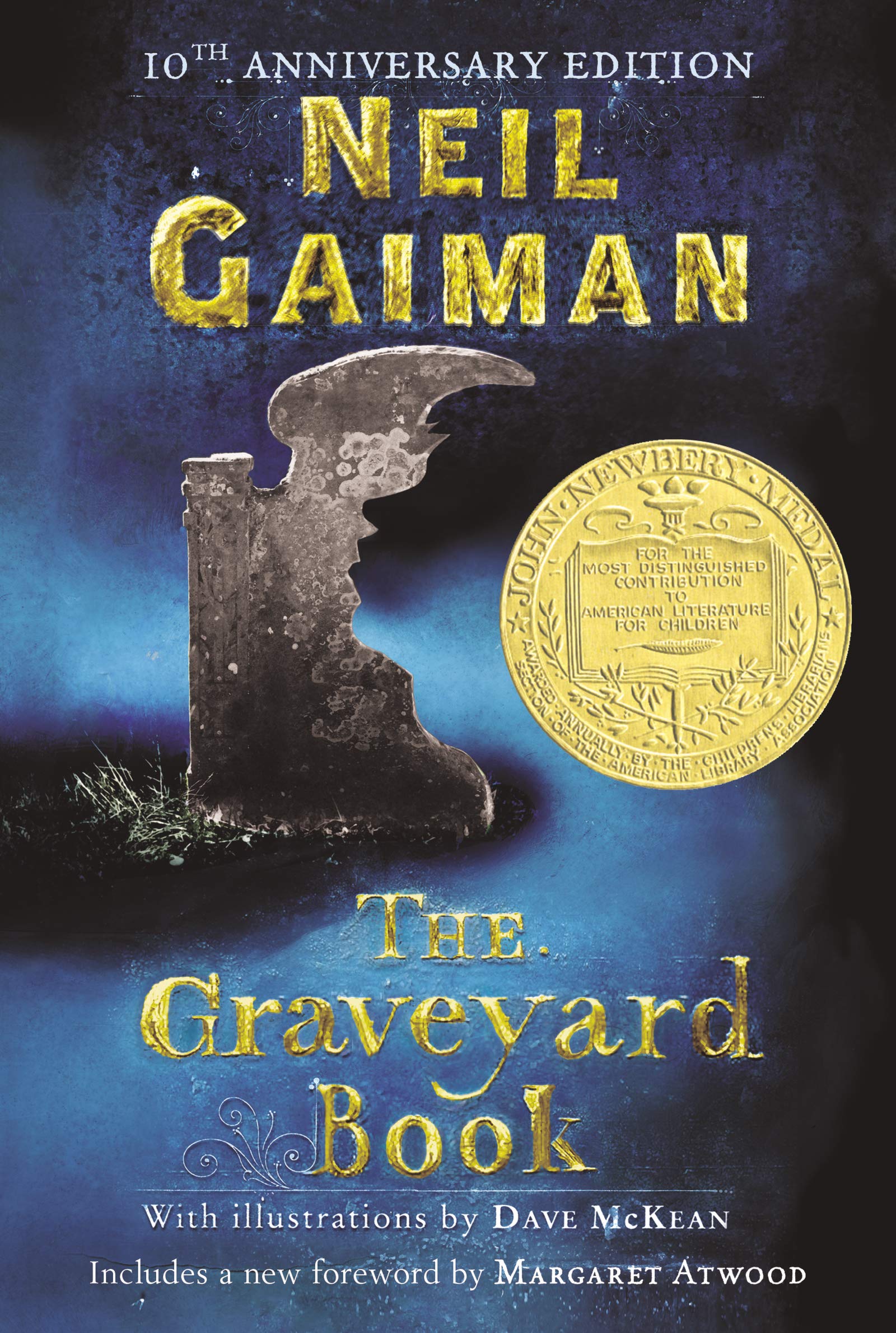
This spooky novel tells the story of Bod, a young boy who is raised in a cemetery by ghosts after his parents are murdered.

Jeanne Wakatsuki Houston was only seven when her Japanese-American family was forced to leave their home in Long Beach, California for an internment camp during World War II. This is her story.